Hey everyone, it’s Jake here, and if you’ve ever stepped foot in a stone quarry, you know it’s equal parts chaos and controlled power. That rumble you feel in your chest when a huge cutting machine roars to life? That’s the stuff that turns a raw rock into a countertop, a building facade, or even the curb outside your local grocery store. Lately, though, I’ve gotten so many DMs and calls from quarry owners that go something like: “Jake, my machines are still running, but they’re slow, they waste way too much rock, and my utility bills are through the roof. Can I just upgrade what I have instead of dropping $50k on new gear?” Stone Quarry Machine
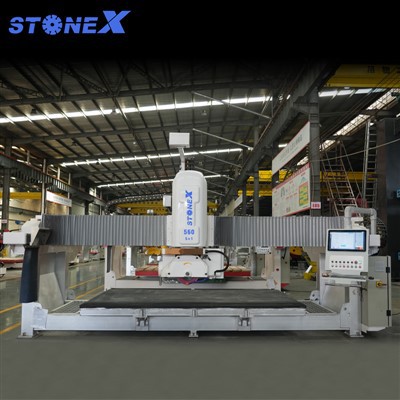
First off, let me get this straight: I’m not just a random blogger. I’m a stone quarry machine supplier—been in this game for 12 years, standing in dust so thick it sticks to your glasses, fixing saw blades at 2 a.m., and listening to every frustration a quarry owner has. So when someone asks if old quarry machines can be upgraded, my answer isn’t a generic “yes” or “no.” It’s “hell yeah, most of the time—and it’s usually way cheaper than buying new.”
Let’s break this down, because a lot of folks think upgrading is just slapping a new part on an old machine. No, it’s way more targeted than that. It depends on how old your rig is, what it’s actually doing, and what your bottlenecks are. Last year, I worked with a small quarry in Vermont that had a 2015 block cutter that was still mechanically solid—metal frames weren’t bent, hydraulics didn’t leak, it just had a analog control panel like something out of a 1990s arcade. They were wasting almost 18% of their granite blocks because the old panel couldn’t adjust blade tension or feed speed in real time. We swapped out the analog controls for a modern, compact digital system, added a tiny sensor that tracks blade wear, and adjusted the feed rate automatically. That upgrade cost them $12k total. Six months later, they cut waste down to 7%, and their production per shift went up 22%. That’s the kind of math that makes owners do a double-take—no new machine, no downtime for weeks installing a whole rig, just a smarter version of what they already had.
Wait, but what about the big, heavy-duty stuff—like jaw crushers, the ones that crush boulders down to gravel for road beds? I see a lot of owners write these off as “too old to upgrade” because they’ve been chugging along for 20 years, but nope. The weak link in most old crushers isn’t the main shaft or the frame—it’s the auxiliary systems. Last year, a quarry in Pennsylvania had a crusher that was using a belt drive so old it was slipping constantly, which meant it couldn’t crush as hard and burned through belts every two weeks. We swapped out the belt drive for a direct-drive electric motor, added a vibration monitoring sensor that shuts the machine down before it gets damaged, and adjusted the lubrication system to pump just enough oil, not too much. Their downtime for crusher repairs dropped by 40%, and they didn’t have to replace the whole crusher—just the parts that were holding it back.
But hold on, there’s a catch here. Upgrading isn’t one-size-fits-all, and that’s where a lot of folks mess up. I’ve had owners come to me asking to upgrade a small, portable rock saw like it’s a jaw crusher, and that’s just wasting money. The first thing I always ask is three questions: What’s your main pain point? How old is your machine, and is the core structural component still good? What’s your budget, and what’s your timeline to see a return?
For example, if your pain point is “I can’t see the cut line because of dust” on a 2018 bridge saw, the upgrade isn’t a whole new saw—it’s a dust suppression system paired with a LED work light that’s sealed against dust and water. That’s a $800 upgrade, not $20k for a new saw. On the flip side, if your machine is from the 1980s, the frame is rusted through, and every part is custom, upgrading might not make sense. I had a guy in Maine with a 1982 stone cutting machine that was so rare, parts cost almost as much as a used machine. In that case, upgrading wasn’t worth it, but we pointed him to a used, low-hour 2019 model that was half the price of new.
Another big area of upgrades lately is sustainability. Everyone’s talking about reducing carbon footprints, and quarries have a big one because they use so much power and diesel. Upgrading isn’t just about saving money—it’s about meeting EPA rules, too. I worked with a quarry in Texas that had a fleet of diesel-powered haul trucks that were dumping fumes left and right. We didn’t make them buy new electric trucks (those are still pricey), we upgraded their existing ones with diesel particulate filters (DPFs) and updated engine control modules that cut fuel use by 15% and emissions by 28%. That’s the kind of upgrade that not only saves on fuel bills, but keeps them from getting hit with EPA fines that can run into six figures.
Wait, let’s get real about the technical stuff, because I know some of you are like “Jake, I need the nitty-gritty, not just sales talk.” Modern upgrades for quarry machines mostly fall into four categories: controls, auxiliary systems, material handling, and data tracking. Controls are the digital brains we talked about—replacing analog dials with PLCs (programmable logic controllers) that let you adjust every parameter from a tablet, not just a knob on the machine. Auxiliary systems are the things that aren’t the main motor or blade, like lubrication, dust suppression, and cooling—these are the parts that break most often on old machines, and upgrading them is low-hanging fruit. Material handling upgrades are things like adding automated block grippers that pick up and move rocks without manual labor, which cuts down on injuries and speeds up shifts. Data tracking is the newest stuff—sensors that track how much rock you’re cutting, how fast your blade is wearing, how much fuel you’re using, so you can spot issues before they become breakdowns.
I’ve seen so many owners waste money by skipping the data part of upgrades, too. A quarry in Colorado last year spent $15k upgrading their crusher, but didn’t add a sensor to track rock size. For the first three months, they were crushing too small, so they were leaving money on the table selling gravel that was too fine. Once they added that size sensor, they adjusted the crusher settings in real time and started making $2k extra a month just because they were getting the rock size their customers actually wanted. That’s the secret to good upgrades: it’s not just putting new parts on— it’s using the data to make those parts work for you, not against you.
But here’s the thing I always tell people: if you’re not sure whether to upgrade or replace, don’t guess. Bring someone in who actually works with these machines every day, not a sales rep trying to push a new machine. Look at the core first—if the frame is solid, the main motor runs without making weird noises, and the machine is still able to do the work you need, upgrade is almost always the way to go. If the core is shot, like the main shaft is bent or the hydraulics are so bad you have to pump them by hand halfway through the shift, then replacing might make sense.
Let’s use real numbers to back this up, because that’s what owners care about. The average cost to upgrade a mid-sized stone quarry machine is between 10% and 30% of the cost of a new machine. The average return on investment? It’s usually between 6 and 18 months. That’s way faster than saving up for a new machine, which can take 2 or 3 years. Plus, upgrading doesn’t require the whole quarry to shut down for a week to install a new rig—most upgrades can be done over a weekend, so you lose zero production time.
I get it, though. A lot of people are skeptical. Maybe you’ve heard stories about someone who upgraded and it broke a week later, or the parts were garbage, or the sales rep promised the moon and delivered a toaster. That’s why I always tell owners to work with a supplier who specializes in upgrades, not just new machines. Someone who has been in the industry long enough to know what parts fit old machines, who stands behind their work, who will come look at your actual machine, not just sell you a generic upgrade kit.
Last month, a quarry owner from Georgia called me panicking. He’d bought a random upgrade kit online for his 2017 saw, and it fried the control panel because the wiring was wrong. We fixed it, and ended up upgrading his entire dust suppression system at the same time. He told me he saved $12k by not buying a new saw, and his production went up 15%. That’s the kind of win we’re talking about.
Now, I’m not saying upgrading is perfect. There are limits. If your machine is older than 1990, parts might be so hard to find that even upgrading becomes a hassle. If your production needs have grown so much that your old machine can’t handle 2x the output, no amount of upgrading is going to make it do that. And if you’re trying to turn a machine that only does small cuts into one that handles 10-ton granite blocks—well, that’s not an upgrade, that’s a rebuild, and it’s almost always cheaper to buy new.
But for 70% of the quarry owners I work with, upgrading is the sweet spot. It’s cheaper, faster, less disruptive, and it lets you keep the machine you know and trust, which is a big deal when you’ve fixed it a hundred times over the years.
If you’re sitting there right now staring at your old machine, wondering if you can squeeze a little more out of it, or if the upgrade is worth the cost, let’s chat. I don’t do pushy sales, and I don’t sell upgrade kits that don’t fit. I’ll come out to your site (or hop on a quick video call) to take a look at your rig, talk through your pain points, and give you a straight answer—whether that’s upgrading what you have, or pointing you toward the right move, even if it’s not from me.
At the end of the day, stone quarries aren’t just about machines. They’re about people who’ve been working these sites for decades, who know every rock, every rumble, every little quirk of their gear. Upgrading that gear isn’t just about saving money or keeping up with technology—it’s about keeping those quarries running, keeping people employed, and turning raw rock into something that builds our world. And you know what? That’s a job worth doing right.
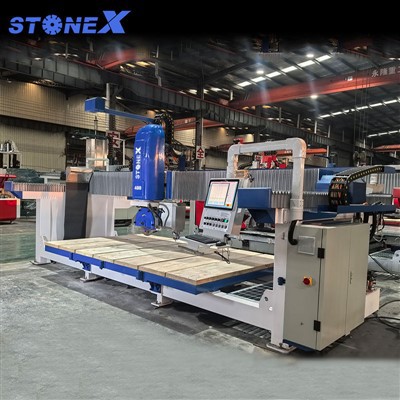
If you want to learn more about custom upgrades for your stone quarry machines, feel free to reach out and let’s talk through your specific needs.
Block Cutting Machine References:
- Mining & Quarry Plant. Equipment Upgrades: The Cost-Effective Alternative to Replacement, 2022
- National Stone, Sand & Gravel Association. Sustainable Equipment Modernization in Quarry Operations, 2023
- Journal of Rock Mechanics and Quarry Technology. Retrofit Solutions for Aging Stone Cutting and Processing Machinery, 2021
- Occupational Safety and Health Administration. Improving Quarry Equipment Safety Through Modular Upgrades, 2022
Nantong Huayi Intelligent Equipment Co., Ltd.
Address: Dongsheng Stone Industry Park, Changjiang Town, Rugao City, Jiangsu Province, China
E-mail: claire@hualongm.com
WebSite: https://www.hystonemachinery.com/
