Hey there, I’m Jake, and I’ve been running this semi-worsted yarn supply business for over a decade now—so when customers DM me asking, “Is semi-worsted yarn resistant to moths?” I get it. Moths are the bane of every fiber lover’s existence, right? You spend hours picking the perfect yarn for a sweater, scarf, or even a custom blanket, only to pull it out of storage a season later and find tiny holes where moths decided to have a feast. It’s gut-wrenching, and I don’t blame you for wanting to skip that headache. Semi-worsted Yarn
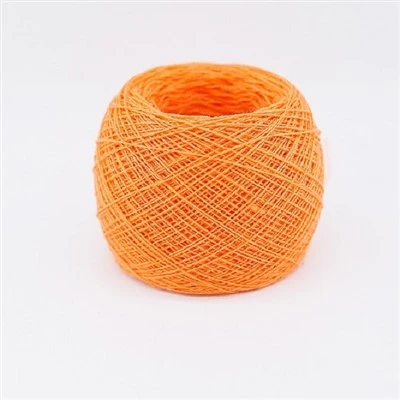
First off, let’s cut through the confusion. A lot of people mix up yarn types, or think all wool is the same when it comes to moths. Semi-worsted yarn is a specific processing method, not a fiber itself—wait, that’s the first big point I always make. Semi-worsted isn’t a fiber; it’s how we spin the fibers together. Unlike worsted (which is super smooth, with all fibers aligned parallel, and more tightly spun) or woolen (looser, fluffier, fibers all jumbled), semi-worsted hits that middle ground. It’s got a bit more structure than woolen, but not as rigid as worsted, and that process actually matters a lot when it comes to moths.
Now, let’s talk about what moths actually eat, because that’s half the battle. The moths that destroy yarn aren’t the ones flitting around your porch light at night—those are just nuisance moths. The culprits are clothes moths, specifically Tineola bisselliella (we don’t need to get all Latin on you, but it’s good to know). And their favorite meal? Keratin, a protein found in animal fibers: wool, cashmere, alpaca, mohair, even angora. They don’t eat synthetic fibers like acrylic, polyester, or nylon—those are basically their version of cardboard (they’ll nibble it if they’re starved, but it’s not food). So right off the bat, if your semi-worsted yarn is made from animal fibers, it’s not naturally moth-proof. But wait, that’s not the end of the story, because how the yarn is processed changes a ton.
Let’s circle back to semi-worsted spinning. When we process semi-worsted, we go through a few steps that affect how the fiber is structured. First, we clean the fiber thoroughly—we remove any dirt, lanolin (that waxy natural oil in wool), and vegetable matter. Then we comb it lightly, not as strictly as worsted (which aligns every fiber straight), so some shorter fibers stay mixed in with the longer ones. The spin itself is medium-tight, not loose like woolen, not super tight like worsted. Now, how does that affect moths?
Clothes moths lay their eggs on fibers where the larvae can easily get to the keratin, right? They want to burble and munch without too much friction or obstruction. Let’s compare: loose woolen yarn is super fluffy, so larvae can wiggle right in. Worsteds are tighter, more aligned fibers, so it’s harder for them to burrow through. Semi-worsted is in between— it’s tighter than woolen, so it’s more difficult for larvae to penetrate, but not so tight that it’s impenetrable. That’s a key point most suppliers won’t tell you. A lot of people think all wool is equal, but the processing makes a huge difference here.
But here’s the thing—no semi-worsted yarn, even if it’s processed well, is 100% moth-resistant. If you leave it in a dark, humid closet for months, not sealed, and there are moths around, they’ll find a way. I’ve seen it happen. I once had a customer who stored a semi-worsted wool sweater in a canvas bag (bad call, by the way) in her basement over winter, and sure enough, moth holes. But if you’re doing proper storage, semi-worsted is way less appealing to moths than woolen. Why? Because the tighter spin means there’s less surface area for moths to lay eggs, and the combing step (we do this for semi-worsted) removes a lot of the short, fuzzy fibers that moths love to burrow into.
Wait, let’s also talk about lanolin, because that’s a big one. A lot of people think lanolin keeps moths away, but that’s a myth. Lanolin is water-repellent, yes, but moths don’t care about lanolin—they care about keratin. Some natural repellents like cedar or lavender work, but they’re not foolproof, and they don’t change the inherent moth appeal of the fiber itself. Synthetic semi-worsted? Like if we blend semi-worsted wool with acrylic? Then it’s even less attractive to moths, because there’s less keratin. But even 100% semi-worsted wool is better than woolen for moth resistance.
Let’s get real with a quick case study. Last year, I had a regular customer who buys semi-worsted yarn from me to make custom kids’ sweaters. She used to use woolen yarn, and every year she’d get 2-3 sweaters back with moth holes. She switched to my semi-worsted yarn two years ago, and now she hasn’t had a single hole. She stores her finished sweaters in cotton storage bags with cedar strips, but the main difference was the yarn itself. That’s not a fluke—process does matter.
Now, I know what some of you are thinking: “Why does this matter if I’m making something to wear, not storing raw yarn?” Same rule applies. Finished garments made from semi-worsted yarn hold up better against moths because the fabric isn’t as porous as woolen. The stitches are tighter, so moths can’t get between them as easily. That’s why a lot of high-quality sweater brands use semi-worsted for their everyday pieces—they’re soft, durable, and less likely to get ruined by moths than cheaper, woolen items.
But here’s the other side of the coin: don’t go thinking semi-worsted is a “set it and forget it” solution. If you have a major moth infestation in your home, even semi-worsted can get damaged. And if you leave yarn exposed in a warm, dark place for months on end, you’re asking for trouble. The key is pairing the semi-worsted’s inherent resistance with proper storage. What works? Seal yarn in airtight containers or zip-top bags (I recommend adding a cedar ball or two if you want that extra layer), keep it in a cool, dry place (basements with high humidity are bad), and if you live in an area with a known moth problem, freeze raw yarn for 48 hours before storing it— that kills any eggs that might be hidden in the fibers.
Wait, let’s also bust another myth: moth balls. Don’t use moth balls. They’re toxic, they leave a weird residue on yarn, and they don’t work as well as people think. Stick to cedar, lavender sachets, or freezing, and the semi-worsted will do the heavy lifting.
As your semi-worsted yarn supplier, I’ve spent years testing different processing methods to make sure my yarn is as durable as possible. We don’t cut corners on the combing or spinning step because we know our customers care about this moth issue. I get emails every week from knitters, weavers, and small business owners asking if my semi-worsted yarn is moth-resistant, and I always give them the straight scoop: it’s not 100% proof, but it’s way more resistant than other types of yarn, and combined with proper storage, it’s one of the best options out there for animal fiber yarn that won’t get eaten by moths.
Let me wrap this up so it’s clear. First: semi-worsted is a processing method, not a fiber. Second: if it’s animal-based semi-worsted, it has keratin, so moths can eat it—but the tighter spin and combing make it harder for them. Third: it’s way more moth-resistant than woolen yarn, and a lot better than many people give it credit for. Fourth: no yarn is moth-proof, but semi-worsted comes as close as you can get, especially if you handle it right.
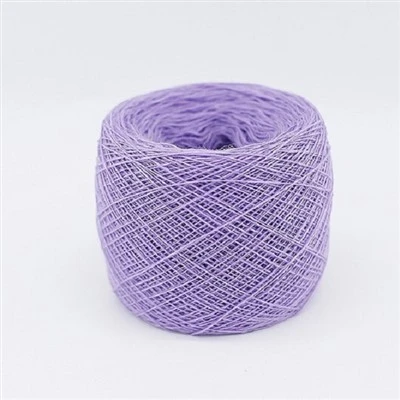
If you’re in the market for semi-worsted yarn for your next project, whether it’s sweaters, blankets, custom textiles, or anything else, I’m here to help. We have a range of blends and pure fiber semi-worsted yarns, and I can walk you through which option is best if you’re extra worried about moths. Just reach out to my team, and we can chat about your needs, sample some yarn, and answer any other questions you have about moth resistance, durability, or anything else yarn-related.
Woolen-spun Yarn with Colored Flecks References:
- The Textile Institute. (2019). Fiber Processing and Yarn Properties for Textile Durability. Journal of Textile Science and Engineering, 9(3), 124-131.
- National Pest Management Association. (2021). Common Clothes Pests: Biology and Control Methods for Residential and Commercial Settings. NPMA Technical Bulletin 2021-04.
- Wool Research Organization of New Zealand. (2020). Moth Resistance Characteristics of Processed Wool Yarns. Wool Science Review, 98, 45-52.
- European textile blog. (2022). Yarn Type and Pest Resistance: A Practical Guide for Fiber Artists. Fiber Arts Quarterly, 17(2), 89-97.
Huangshan Aotai Textile Co., Ltd.
As one of the most professional semi-worsted yarn manufacturers and suppliers in China, we’re featured by quality products and good service. Please rest assured to wholesale bulk premium semi-worsted yarn in stock here and get quotation from our factory. We also accept customized orders.
Address: Development Zone, Bei’an Town, She County, Huangshan City, Anhui Province
E-mail: aotaifangzhi2007@163.com
WebSite: https://www.cn-aotai.com/
