If you’ve ever walked past a newly built concrete structure—say, a residential foundation, a basement wall, or even a small patio—you’ve seen formwork. That temporary structure of wood, metal, or plastic that holds wet concrete in place until it hardens is the backbone of every solid pour, but once the concrete has reached sufficient strength, it’s time to remove it. As a formwork supplier with over 12 years in the industry, I’ve seen first-hand how rushed or inexperienced form removal can ruin perfectly good concrete, waste material, and even create safety hazards. Today, I’m breaking down how to remove formwork correctly, step by step, with lessons I’ve learned working with contractors, builders, and DIYers across the country. Formwork
First, let’s get one thing straight: form removal isn’t a “one-size-fits-all” task. I can’t tell you exactly when to strip formwork from a random concrete pad, because it depends on three big factors: the type of concrete you used, the weather on the job site, and the structural purpose of the concrete. For example, a small, unloaded patio slab can often have its formwork removed in 3 to 5 days, but a load-bearing basement wall or a bridge beam might need 14 days or more. I always advise my customers to test concrete strength before pulling formwork—no matter how many days have passed. A simple penetration test (using a concrete test hammer, which I recommend to all my new clients) can tell you if the concrete has reached at least 75% of its design strength, which is the minimum for most formwork removal. If you pull forms too early, the concrete can sag, crack, or break under its own weight—something I’ve heard about too many times, especially in the summer when concrete cures faster on the surface but stays soft underneath.
Before you even touch a form panel, there are non-negotiable prep steps. First, clear the job site of any debris, loose tools, or extra concrete that might get in the way. You want enough space to move panels around safely, especially if you’re using metal or heavy plywood forms. Next, put on the right gear: steel-toe boots, work gloves, safety glasses, and a hard hat. Formwork panels can be sharp, heavy, and even slippery if there’s leftover concrete slurry on them. Last, check for any ties, bolts, or nails holding the formwork in place. Most modern formwork systems use metal or plastic ties that go through the forms and into the concrete—these are designed to break at a specific point (called a “knurled breakback”) so you don’t have to chisel them out of the concrete later. I always recommend having a pair of snips or a pry bar handy for these ties; using a sledgehammer here can damage both the formwork and the concrete surface.
Now, let’s get to the actual removal process, and this is where experience makes all the difference. Start from the top and work your way down. That sounds simple, but it prevents you from accidentally dropping a heavy form on lower parts of the structure, and it also lets you control how the concrete settles as you remove support. For wooden formwork, start by gently prying the form away from the concrete. Don’t jam the pry bar straight into the concrete—instead, slide the tip between the form and the edge of the concrete, and apply even, steady pressure. If the form doesn’t come loose easily, check for hidden nails or screws; I’ve seen people snap concrete edges because they pried too hard before finding a hidden fastener. For metal formwork, which is popular for larger commercial projects, you’ll first need to release the locking pins that hold the panels together. Most metal form systems have quick-release mechanisms—make sure you follow the manufacturer’s instructions, because forcing these pins can bend the panels, making them unusable for future projects. That’s a big deal for my customers, since reusing formwork is one of the biggest cost savings on a job site. A bent metal panel doesn’t fit right, which means more time adjusting on the next pour, so treating it carefully during removal saves everyone time and money.
Wait—there’s a critical exception to the top-to-bottom rule for vertical formwork, like basement walls or column forms. For these, you should remove the side forms first, not the top. Why? Because vertical forms hold the concrete from bulging outward as it cures. If you remove the top first, the concrete might shift unevenly, leading to a wall that’s not straight. For column forms, always start releasing the ties from the bottom up, so you control the taper of the column and avoid chipping the edges. And if you’re working in cold weather? Let’s talk about that. In temperatures below 50°F, concrete cures much slower. In fact, cold weather can double the time you need to wait before removing formwork. I had a customer last winter who pulled formwork on a foundation wall after 7 days, only to find that the concrete was still soft and cracked in several spots. We worked together to set up a temporary heat blanket for the next pour, and by adjusting their form removal timeline to 12 days, they avoided the cost of patching and re-pouring. That’s why I always emphasize checking weather data for the first 2 weeks of a job—small temperature swings can have a big impact on when you can strip forms.
Once you’ve removed the form panels, don’t just pile them up in a corner. Take 10 minutes to inspect each panel. Look for cracks, warping, or leftover concrete that’s stuck to the surface. If you’re using wood forms, you can scrape off excess concrete with a putty knife or a power washer (on low pressure, so you don’t damage the wood grain). For metal forms, a wire brush will get rid of concrete buildup, and if there’s a small bend, you can usually hammer it back into shape. The key here is that good formwork is reusable—sometimes 10, 20, even 50 times. The better you care for it during removal, the longer it will last, and the less my customers have to spend on new formwork for future projects. I tell every builder I work with: a $50 metal panel that lasts 50 pours is a way better investment than a $20 panel that cracks after one use.
Now, let’s cover the mistakes I see most often, because avoiding these will save you a lot of headaches. First, rushing the timeline. I know you want to get the next pour done, but cutting corners here leads to bad concrete. I once had a residential builder who pulled formwork on a garage slab in 2 days, because he wanted to lay the driveway the next week. The next day, the slab had 3 large cracks that ran all the way through. He had to jackhammer it out and start over—costing him twice as much as if he’d waited the full 4 days. Second, using the wrong tools. A flat pry bar for wood forms is fine, but a curved bar works better for metal, because it fits between the panels without bending them. Third, ignoring the edges of the concrete. When you pry forms away, go slow around corners and edges, because those areas are the most brittle. A little chip on a patio edge is easy to patch, but a chip on a foundation wall can be a structural issue.
And what about safety? I can’t stress this enough. Formwork can be heavy—some large metal panels weigh 50 pounds or more, and if you drop one, it can cause serious injury. Always lift with your legs, not your back, and if a panel is too heavy, get a helper or use a lifting strap. Never stand directly under a form panel that’s being removed, and make sure no one is working below you when you’re pulling forms from an upper level. Last year, a customer of mine tried to remove a form from a second-floor patio by himself, and the panel slipped and hit his ankle—he missed 6 weeks of work. That’s 6 weeks he couldn’t take on new jobs, all because he tried to save time by working alone.
At the end of the day, form removal is as much about care as it is about timing. It’s the final step in getting a smooth, strong concrete structure, and if you do it right, you’ll have reusable formwork for your next project, and a concrete that stands the test of time. I’ve worked with builders who swear by their formwork systems, because they know that taking the time to remove forms correctly saves them money and frustration down the line.
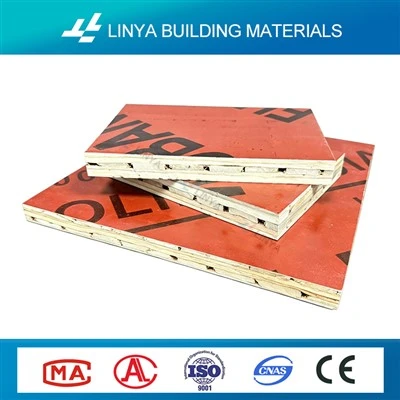
If you’re working on a project and need the right formwork for residential, commercial, or custom jobs, I’m here to help. We offer a range of formwork solutions, from light-duty wood forms for small patios to heavy-duty metal systems for large walls and beams, and our team can help you figure out the right timeline and tools for your specific project. Reach out to our team to discuss your formwork needs and get started on your next build.
Plastic Formwork References
- American Concrete Institute. (2019). ACI 347R-19: Guide to Formwork for Concrete. Farmington Hills, MI: American Concrete Institute.
- Portland Cement Association. (2021). Curing and Form Removal for Concrete Structures. Skokie, IL: Portland Cement Association.
- European Committee for Standardization. (2018). EN 13670: Execution of concrete structures. Brussels, Belgium: European Committee for Standardization.
Shenzhen Linya Building Materials Co., Ltd.
We are one of the most professional formwork manufacturers and suppliers in China, also support customized service. Welcome to buy bulk high quality formwork in stock here from our factory. If you have any enquiry about free sample, please feel free to email us.
Address: Bantian International Center, No.5 Huancheng South Road, Ma’antang Community, Bantian Street, Longgang District, Shenzhen
E-mail: linya@formworksteelprop.com
WebSite: https://www.linyabuildingmaterials.com/
