Hey everyone, it’s [your name here], your go-to guy for all things center drills and metal-working tools. Today, I’m pulling back the curtain on a question I get all the time from fabricators, DIYers, and even small-scale part makers: Can center drills actually cut through fiberglass without turning your project into a hot mess? Center Drills
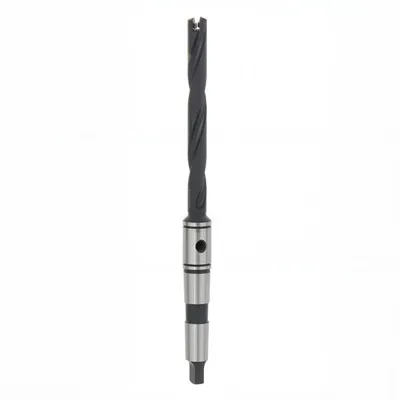
For context, I’ve been supplying high-quality center drills out of my shop for almost 10 years now. Most folks hit me up because they’re working on a job that calls for a combo material—say, a boat rudder (fiberglass core with metal fittings), a custom RV cabinet, or even a small aerospace prototype that uses glass fiber reinforced polymer (GFRP, the fancy name for fiberglass). The last thing anyone wants is a drill bit that chips the fiberglass, melts the resin, or snaps mid-cut. So let’s break this down, straight from what I’ve seen in my shop and the real-world feedback from customers.
First, let’s get the basics right. A center drill isn’t your standard twist drill. It’s a short, stubby tool with a conical point (usually 60 or 90 degrees) and a small flat at the tip. Its whole job is to make a precise, shallow indent—aka a center point—before you use a longer twist drill to bore a full hole. That indent keeps the larger bit from wandering, which is huge for accuracy. But here’s the thing: most people only associate center drills with metal, wood, or plastic. Fiberglass is different—it’s a composite, not a solid material. It’s got two parts: glass fibers (which are super hard, abrasive, and brittle) and a resin matrix (usually epoxy, polyester, or vinyl ester, which can soften if you heat ’em up too much). So does a center drill work here? The short answer: Only if you use the right type, and do it right.
Let’s start with why it could go wrong. If you grab a generic high-speed steel (HSS) center drill you’d use for steel, that’s a bad call. Fiberglass’s glass fibers will eat through HSS way faster than you can say “chip.” I’ve had customers send back bits after just 5 holes—completely worn down, the edges turned dull as a butter knife. Also, if you push too hard, two things happen: the glass fibers can split away from the resin, making a ragged, chipped hole, and the resin can overheat, start melting, and leave that sticky, bubbly residue around the edge. No one wants to sand that out later. And if you’re drilling on thin fiberglass (under 1/4 inch, say for a kayak panel), too much downward pressure can make the fiberglass crack all the way through on the back side.
But here’s where my suppliers’ side comes in: we make center drills specifically for composite materials, and they work great—if you follow the rules. Let’s talk about the right tools first. You need a center drill made of carbide-tipped or solid carbide. Carbide is way harder than HSS—like, 9 on the Mohs scale vs. 7 for HSS. That’s non-negotiable if you’re drilling more than a couple holes. We stock a full line of these: 60-degree points (the standard for most jobs) and a 90-degree option for when you need a wider center indent without digging too deep. Also, skip the center drills with a super sharp point that’s too thin—those can snag the glass fibers. Our composite-specific center drills have a slightly blunted tip that bites into the resin first, then cuts through the fibers cleanly.
Next, the process tips. This is where 80% of the success happens, even with the right bit. First, speed is everything. For metal, you crank up the drill speed, but for fiberglass, you want to go slow. Like, 1,500 to 2,500 RPM max. Any faster, and the bit will generate too much heat, melting that resin and fraying the fibers. I always tell folks to use a corded drill if possible—cordless ones can have inconsistent speed, which makes it easy to slip. Then, pressure: light, steady pressure. Don’t lean into the drill like you’re driving a nail. Let the center drill do the work. If you feel it binding, back off a little, let the bit cool (you can even spray a tiny bit of water or cutting fluid to keep it cool—wait, not any cutting fluid. Water works, or a synthetic composite cutting fluid, not the heavy stuff for steel).
Another pro tip from my shop: when you’re drilling fiberglass, put a backer board on the other side. A 1/2 inch thick piece of MDF or scrap wood works perfect. Why? It stops the fiberglass from splintering on the exit side. That splintering (called “delamination”) is the #1 complaint from people who mess up. I had a customer last month, a guy building a custom wooden boat with fiberglass seats, who drilled 12 holes without a backer and had to spend 2 hours sanding splinters. Once he added that backer, all the holes came out clean.
Wait, what about different types of fiberglass? Because not all fiberglass is the same. There’s sheet fiberglass (GFRP panels), woven fiberglass (the kind used for boat hulls), and fiberglass composites with other materials (like carbon fiber, which is even more abrasive). For woven or sheet fiberglass, our standard carbide center drill works. If you’re mixing with carbon fiber, you might want a diamond-tipped center drill—we stock those too, for those extra tough jobs. And for thin fiberglass (under 1/4 inch), use a smaller center drill, like a No. 1 or No. 2 size (we label our sizes clearly so you can pick the right one for your panel thickness).
Let me bust a common myth here. Some folks say “just use a twist drill, skip the center drill” for fiberglass. But here’s the problem: twist drills can wander, especially on smooth fiberglass. If your hole isn’t perfectly centered, when you attach a metal fitting (like a bolt for a boat seat), it will be off, and the stress will crack the fiberglass over time. The center point from a good center drill fixes that—you get a perfectly centered hole every time, which is critical for structural jobs. I have customers in marine fabrication who swear by our center drills for that exact reason.
Now, let’s talk about how our center drills are built to make this easier. We test every single batch of carbide center drills in-house on 1/8 inch woven fiberglass panels. If they chip the fibers or dull after more than 20 holes, we toss the entire batch. We also add a special micro-coating to our composite-specific center drills that reduces friction, so less heat builds up, and the bits stay sharp longer. Most customers tell us they can drill 50+ holes with one of our carbide center drills on fiberglass, vs. 10 or less with a cheap HSS one. That’s a huge difference when you’re working on a big project.
What about mistakes to avoid? Don’t use a center drill that’s too big. If you use a No. 5 center drill on a thin panel, you’ll drill too deep, weakening the fiberglass. And don’t reuse a dull center drill—if the tip looks rounded, toss it. A dull bit will split the fibers and make the resin melt. I’ve had guys bring in a old HSS center drill and try to use it on fiberglass, and it’s just a disaster. Save your old HSS bits for metal, use our carbide ones for composites.
Let’s wrap this up with a real example. Last year, a local aerospace parts maker came to me. They needed to drill center points on small GFRP brackets for a satellite component. They’d been using twist drills without a center point, and 30% of their brackets were getting rejected for off-center holes. We recommended our 90-degree carbide center drills (small size, No. 2) and taught them to use slow speed with a backer. After that, their reject rate dropped to 1%—and they’ve been a repeat customer ever since. That’s the kind of result I love to see.
So to answer the original question: Yes, center drills can be used for drilling on fiberglass—you just need the right center drill (carbide or diamond-tipped, not generic HSS) and follow the slow speed, light pressure, backer board rule. It’s not just possible, it’s often better than skipping the center drill entirely, because you get cleaner, more accurate holes that won’t lead to structural issues down the line.
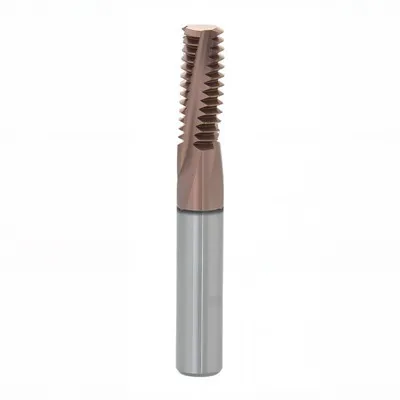
If you’re working on a project and aren’t sure which center drill to grab—whether it’s for sheet fiberglass, woven, or even a mix with other composites—hit me up. I’ve got stock of all sizes, both standard carbide and diamond-tipped, and I can help you pick the right one for your job. Don’t waste time with bits that will chip your fiberglass or dull fast.
Milling Inserts Now, a quick note for folks who want to dive deeper. A lot of the science behind fiberglass cutting has to do with resin shear strength and glass fiber hardness, which is covered in a few industrial machining guides. You can check out the following to learn more:
- Machining of Composite Materials by K. Friedrich (Springer, 1997)
- “Cutting Tools for Glass Fiber Reinforced Polymers” in Journal of Manufacturing Processes, Vol. 12, No. 2 (2010)
- Marine Composites Fabrication Handbook by American Boat and Yacht Council (2018)
Small Craftsman (Shandong) Machine & Tools Co., Ltd.
Small Craftsman (Shandong) Machine & Tools Co., Ltd. is one of the most experienced center drills manufacturers and suppliers in China, also supports customized service with low price. Please feel free to buy bulk high quality center drills in stock here from our factory. Contact us for pricelist.
Address: No.9 Quanxin Rd., Sishui Economic Developing Zone, Jining, Shandong, China.
E-mail: 6196@ocutchina.com
WebSite: https://www.ocutooling.com/
