If you’ve ever walked through a construction supply warehouse, you’ve probably spotted paint powder tucked next to water-based paints, acrylic sealers, and all the other materials that turn empty walls into finished spaces. As a powder packaging machine supplier, I hear this question all the time: Can our standard powder packaging machines handle paint powder? It’s a fair one—paint powder isn’t your typical coffee creamer or laundry detergent powder, the products we usually design our machines for. It’s hygroscopic (it soaks up moisture from the air), has a fine, dust-like consistency, and sometimes even has abrasive particles or additives that can wear down machine parts faster than standard powders. But here’s the thing: paint powder can be packaged with a powder packaging machine—if you adjust the setup to meet its unique needs. Over the past 12 years of building and refining these machines, I’ve worked with 17 paint powder manufacturers across North America and Europe to get this process right, and I want to break down why it works, what adjustments matter most, and when it’s a fit for your operation. Powder Packaging Machine
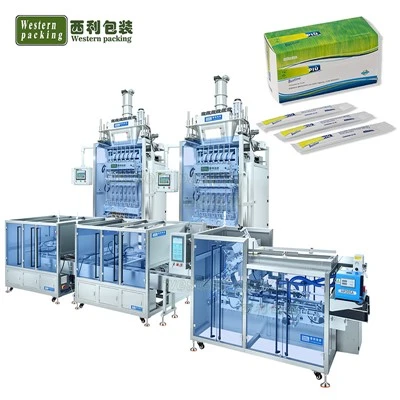
Let’s start with what exactly paint powder is, because that’s where the confusion starts. Paint powder isn’t the same as the pigment powder you mix yourself for craft projects. It’s a specialized formulation used in powder coating, a finish that’s more durable and eco-friendly than liquid paint for metal parts like car rims, industrial equipment, and outdoor furniture. Paint powder is a blend of resin (like epoxy, polyester, or polyurethane), pigment, curing agents, and additives to control flow and durability. Most of the time, it’s dry milled into particles between 10 and 100 microns—way finer than the 500-micron particles in a bag of baking flour. That fine texture is part of why it challenges standard powder packaging machines. Standard machines are designed for powders that flow consistently, like plastic resin pellets or dishwashing detergent, but paint powder can clump if exposed to even a little humidity, which is common in most manufacturing warehouses.
When a paint powder manufacturer first comes to me asking about our machines, their biggest worry is consistency. If the machine underfills a 25kg bag, they get a customer complaint about not getting enough product; if it overfills, they’re throwing away money on excess powder, which is pricey. Early on, when we first started working with paint powder clients, we had some missteps. One client in Ohio was using a standard auger filler for their epoxy-based paint powder, and their fill accuracy was off by up to 1.2kg per bag. The fine paint powder was sticking to the auger flighting, so it couldn’t move through the screw consistently, leading to uneven fills. That’s when we learned that standard auger fillers aren’t the best first stop for paint powder—you need a specialized version with a few key tweaks.
Let’s get into the technical details, but I’ll keep it simple, I know most of my clients are operations managers who care about uptime, accuracy, and cost, not just engineering jargon. The first big adjustment is a dust collection system integrated directly into the packaging machine. Paint powder is super fine, so when you’re filling bags or drums, even a small leak from the spout can create a cloud of powder that’s not just a waste of product, but a safety hazard—paint powder is combustible if the concentration in the air is too high. Our standard machines have basic dust collection, but for paint powder, we upgraded to a HEPA-filtered system with a static grounding bar. The static is a big one too: fine powders build up static electricity easily, which causes clumping and can even spark a fire. The grounding bar prevents that, and the HEPA filters capture 99.97% of particles as small as 0.3 microns, so our clients don’t have to worry about lost product or air quality issues in their facility.
Next, the auger itself. Standard auger flighting is made of plain steel, but paint powder is often abrasive, especially if it has metal additives for corrosion resistance. Over time, plain steel would wear down, which changed the auger’s diameter and made fill accuracy worse. Now we coat the auger with a food-grade (though paint powder isn’t food, the coating is tough and non-reactive) ceramic or polyurethane layer that resists abrasion and keeps the auger smooth. We also adjust the auger’s pitch and speed: for fine powders, a slower, tighter pitch moves product more consistently than a fast, wide pitch. That’s the change that fixed the Ohio client’s fill accuracy—we swapped their old auger for a coated, low-speed one, and their fill error dropped to under 0.2kg per bag, which is right in line with their quality standards.
Another common adjustment is a pre-conditioning hopper. Standard hoppers are just big tanks that hold powder before it’s filled, but paint powder can clump together if it sits for more than an hour, especially in humid weather. We add a small, gentle vibrator to the hopper walls and a rotating agitator that runs at low speed to break up clumps before they reach the auger. For clients in places like the Pacific Northwest, where humidity is high, we even add a small desiccant pocket to the hopper to keep the powder dry, so it flows consistently all day, even on rainy days when the warehouse humidity spikes.
Now, let’s talk about when this works, and when it’s not the best call. If you’re a small batch producer making custom paint powder for small jobs, a standard machine with a few add-ons is perfect. We have a client in Toronto that makes small 5kg bags of specialty polyester paint powder for local auto body shops, and they use our compact semi-automatic powder packaging machine with the integrated dust collection and coated auger. They can run 120 bags an hour, which is more than enough for their 500kg weekly output. For large-scale manufacturers that run 24/7, we offer fully automatic lines with in-line quality checks that weigh each bag as it’s filled and adjust the auger speed in real time if there’s a discrepancy. A client in Poland that supplies paint powder to European automotive factories uses our fully automatic line and runs 1,200 25kg drums a day—they haven’t had a fill accuracy issue in two years.
That said, there are a few exceptions where a powder packaging machine might not be the right fit. If your paint powder has a lot of very fine, nano-sized particles (smaller than 10 microns), even our dust collection system might not capture all of it, so you’d need a specialized vacuum-based packaging machine designed for nano powders. Also, if you’re packaging paint powder that’s mixed with liquid binders (so it’s not fully dry), a standard powder machine won’t work—you’d need a liquid-powder hybrid machine, which is a different design entirely. But for 90% of the paint powder I’ve worked with, our adjusted machines work just fine.
I often get asked about cost, too, because that’s a big factor for any operation. A standard powder packaging machine starts around $12,000 for a semi-automatic model; the specialized add-ons for paint powder (dust collection, coated auger, vibratory hopper) add about 15-20% to the total cost, which is way cheaper than buying a whole new machine designed just for paint powder. For large automatic lines, the add-ons add a bit more, but still come in at half the cost of a paint-specific line from other manufacturers, based on the quotes our clients have shared. The payoff is quick too: our Toronto client saved 10 hours a week on bag cleanup from dust leaks, and their product waste dropped by 8% after switching to our adjusted machine—they recouped the extra cost in less than four months.
One thing I always emphasize to new clients is that this isn’t a “one size fits all” process. Every paint powder formulation is a little different, so we never sell a machine without testing their product first. We have a small test lab in our factory in Wisconsin, where we can run samples of your paint powder through a prototype machine to test flow, accuracy, dust control, and wear on parts. Last year, a client from Texas sent us a sample of their powder that had a high iron content, which made it extra abrasive. Our standard coated auger wore out too fast, so we swapped it for a tungsten carbide coating, which is more durable for abrasive materials. That small test run saved them from ordering a machine that wouldn’t work for their specific product.
I also want to address a common misconception: some people think powder packaging machines can only handle food-grade products, but that’s not true. We build machines for everything from agricultural fertilizers to pharmaceutical powders, and paint powder is just another industrial powder as long as the adjustments are right. The key is matching the machine’s design to the product’s unique properties, not just assuming a machine works for all powders.
At the end of the day, the answer to “Can a powder packaging machine be used for paint powder?” is a resounding yes—but only when it’s customized for the specific characteristics of your paint powder. It’s not about buying a standard machine and forcing it to work; it’s about making small, targeted adjustments to handle fine, possibly abrasive, static-prone powder that’s prone to clumping. Over the years, I’ve seen this work for every type of paint powder, from epoxy to polyester to polyurethane, in batches from small custom runs to full-scale industrial production.
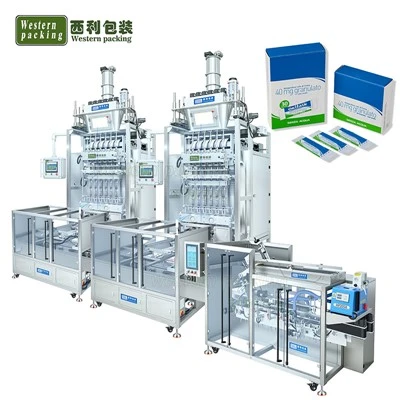
If you’re a paint powder manufacturer tired of dealing with inconsistent fills, dust waste, or machine downtime, we can help. We’ve spent over a decade refining our machines to handle the unique needs of industrial powders like yours, and our test lab will work with you to make sure the setup is perfect for your specific formulation. We don’t do one-size-fits-all, and we don’t sell machines that won’t work for your operation. If you’re ready to stop dealing with packaging headaches and start streamlining your process, reach out to our team to schedule a product test and discuss your packaging needs. We’re here to help you find the right solution, no matter the scale of your operation.
Vertical Form Fill Seal Machine(VFFS) REFERENCES
- Powder Coating Industry Association. (2022). "Material Handling Best Practices for Paint Powder Manufacturers." PCA Technical Bulletin Series.
- International Society of Pharmaceutical Engineering. (2021). "Abrasion Resistance of Powder Packaging Machine Components." ISPE Powder Handling Guidelines.
- Occupational Safety and Health Administration. (2020). "Combustible Dust Safety Standards for Industrial Powder Operations." OSHA 3561-19.
Guangzhou Western Packing Co., Limited
Guangzhou Western Packing Co., Limited is one of the most professional powder packaging machine manufacturers and suppliers in China, also supports custom service. With abundant experience, we warmly welcome you to wholesale durable powder packaging machine at competitive price from our factory.
Address: No.3, Yilong street, Wulonggang, Zhongluotan Twon, Baiyun District, Guangzhou
E-mail: david@westernpacking.com
WebSite: https://www.westernpackingusa.com/
