Hey there, if you’ve ever walked a warehouse floor, stood next to a packaging line, and wondered, “How long’s this shrink tunnel actually gonna last?” – you’re not alone. I’ve been selling shrink tunnels and their side parts for, uh, almost 12 years now, and that question comes up at least once a week, from small business owners just starting out to big plant managers who’ve replaced three already. Let’s cut through the vague “depends” answers and get real about what determines a shrink tunnel’s lifespan, how to make yours last longer, and what that average number actually looks like. Shrink Tunnels & Accessories
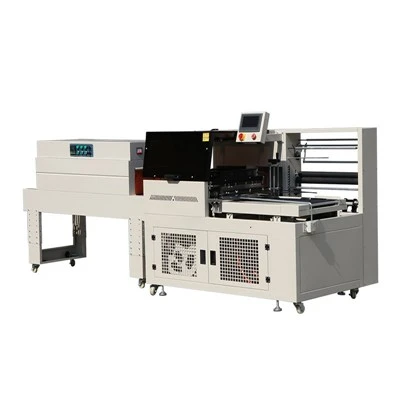
First off, let’s ground this: when I talk about a shrink tunnel, I’m not talking about the flimsy ones you see on Amazon that take a week to heat up and fall apart after two months. I’m talking about the industrial units – the ones that sit on packaging lines, heat shrink film to wrap pallets, boxes, bottles, whatever – that my company ships out to factories, distribution centers, even craft beverage spots that bottle their own beer or seltzer. Those are the ones with actual lifespans worth talking about.
So, what’s the average? Honestly, it’s not a one-size-fits-all number, but from tracking all the units I’ve supplied and serviced (we do a ton of support calls, so I see this first-hand), the sweet spot is anywhere from 7 to 12 years. Wait, that’s a big range, right? Let me break that down. The low end (around 7 years) is usually units that are beat to hell – run 24/7, cheap parts, no maintenance. The high end (10-12 years) is the well-cared-for ones, with regular upkeep, good parts, and they’re not being pushed past their limits. I’ve even seen a few that hit 15, but those are the outliers – like the guy who changes his oil every 3k miles and never floors his car.
Why such a big gap? Let’s get into the factors that kill shrink tunnels faster than anything else. First up: use intensity. If you’ve got a 10-foot shrink tunnel that’s running 12 hours a day, 5 days a week, that’s way different than one cranking 24/7 for a 3PL that’s shipping 10k pallets a week. The heating element is the biggest wear part here, honestly. Those elements are what heat the air inside the tunnel to shrink the film, and if you’re cranking the temperature all the way up, or leaving the tunnel on 24/7 (even when there’s no product going through), those elements burn out way faster. I had a client last year who left his tunnel on every night because he “didn’t want to wait for it to heat up in the morning” – he went through three heating elements in 18 months. That’s a huge waste, and it knocks years off the unit’s life.
Next, maintenance. Yeah, I know, maintenance is the boring stuff no one wants to do. But shrink tunnels are like dogs – they need regular walks (or in this case, cleanings) and check-ups to not get sick. Here’s the thing: film residue is the #1 enemy of shrink tunnels. When you heat shrink film, it releases a tiny bit of plastic residue that builds up on the inside walls, the conveyor belt, and even the heating elements. Over time, that residue can clog the air vents, make the heating elements work harder than they should, and even cause hot spots that warp parts of the tunnel. If you don’t clean that out every month (or every two weeks, if you’re running heavy), that residue turns into a crusty, sticky mess that’s basically sandpaper for your unit. I’ve had guys call me saying their tunnel “died suddenly” – and when I get there, the inside is caked with old film gunk so bad the conveyor belt was slipping. That’s preventable, easy, and it adds years to the life.
Then there’s build quality. Let’s be real: not all shrink tunnels are made equal. The $1,500 one from the random online marketplace? That’s gonna have thin metal walls, cheap conveyor belts that crack after a year, and heating elements that are just wire wrapped around a nail (okay, maybe not that bad, but close). The mid-tier industrial units I supply? They have stainless steel interiors, heavy-duty conveyor belts (usually urethane or reinforced rubber), and heating elements designed to last. I’ve had a client run one of my mid-tier units for 11 years straight, only replacing the conveyor belt once and a few small parts. The cheap one he ran before that? He replaced it in 3 years, and that’s if you don’t count the downtime when it broke mid-shift, which cost him way more than the unit itself.
Wait, also, what kind of shrink film are you using? I know, that sounds random, but it matters. If you’re using PVC film, that’s more forgiving, right? No, not exactly. PVC releases different residue than POF (polyolefin) film, which is super common now for food packaging. POF residue is actually stickier, and it clogs vents faster. So if you’re running POF, you might need to clean your tunnel a bit more often, which is a small trade-off for being able to use food-safe film. But if you mix the wrong film for your tunnel? Like, trying to use super thick, heavy-duty film on a tiny residential tunnel? That’s gonna make the heating system work way harder, wear parts out faster, and shorten the unit’s life.
Another thing: how you set the tunnel’s temperature and speed. That’s not just about getting a good shrink wrap job – it’s about the unit’s health. If you crank the heat way higher than you need to just to “get it done faster,” that’s going to age the heating elements and the metal parts of the tunnel. Same with running the conveyor too fast – the product is moving through so quick that the heat has to spike to shrink the film, which again, strains the unit. A good rule of thumb: set the temp just high enough so the film shrinks evenly, and the conveyor speed matches that. You don’t need to go overboard.
Let me also talk about what happens when a shrink tunnel reaches that end of its lifespan. It’s not like a lightbulb that just stops working. You’ll start seeing signs first: uneven shrinkage, parts that wear out way more often (you’re replacing heating elements every 3 months instead of every 2 years), hot spots that leave marks on your product, or the conveyor belt slipping even after you adjust it. I always tell clients: if you’re spending more on repairs than you would on a new (or even a used, good quality) tunnel, it’s time to start thinking about replacing. Because at that point, you’re throwing money at a unit that’s on its last legs, instead of having something that runs smoothly for years.
Wait, but what about people who say they’ve had a shrink tunnel for 20 years? I’ve heard that, too – but those are almost always the old, commercial-grade units from the 90s and early 2000s. Back then, manufacturers used thicker metal, better heating elements, and designed these things to be repaired, not just replaced. Now, a lot of units are built to be disposable, which is why that average lifespan is around 7-12 years now, instead of the 15+ you could get decades ago. That’s not a rule, but it’s a big reason you see that range.
Now, let’s get practical, because no one wants just numbers. If you want to max out your shrink tunnel’s lifespan, here’s my simple list of things to do, no fancy tools needed:
First, turn it off when you’re not using it. I know, it’s a hassle to wait for it to heat up, but think about it: every hour your tunnel is running empty, that’s an hour the heating elements are burning, parts are wearing, and residue is building up. Even if you run it for 10 minutes when you need it, that’s way better than leaving it on 12 hours a day empty.
Second, clean it every month. Grab a soft brush (not a metal one – you don’t want to scratch the interior), a mild detergent, and wipe down the inside walls, conveyor belt, and air vents. If you have built-up residue, a little heat (from running it on low for 5 minutes) will soften it, making it way easier to wipe off. I have a YouTube channel with a 5-minute tutorial on this – no need to call a tech, you can do it yourself.
Third, replace worn parts before they break. If your conveyor belt starts to fray a little, don’t wait for it to snap mid-shift. If a heating element is slightly off, swap it out. Using cheap replacement parts is a bad idea – get the OEM parts that fit your tunnel, even if they’re a few bucks more. I’ve had clients use cheap heating elements that burned out in 2 months, instead of the 2 years the real ones last.
Fourth, match the tunnel to your needs. Don’t buy a tiny residential unit for a warehouse that’s shipping 500 pallets a day. That’s like buying a scooter to haul a truckload of groceries. Get a unit that’s rated for your usage, and you’ll save yourself so much hassle.
Wait, let’s circle back to that average lifespan, because I think the big takeaway here is that it’s not just about the unit itself – it’s about how you use it. I had a client in the craft soda space who runs his 10-foot tunnel 8 hours a day, 5 days a week. He cleans it every other week, turns it off at night, and uses POF film. He’s had that same unit for 11 years now, and it’s still going strong. On the flip side, I had a big e-commerce client who runs a 15-foot tunnel 24/7, 7 days a week, only cleans it when it starts to mess up, and uses random off-brand film. That unit lasted 6 years before we had to replace the heating system and the conveyor belt. That’s the 7 vs 12 range right there – same type of unit, different care, 5 years difference.
Also, let’s bust a myth: some people think “industrial” means it’ll last forever. No, industrial just means it’s designed for heavier use, but it still needs maintenance. I’ve seen industrial units that died in 4 years because the owner skipped cleaning for months, and residue clogged the vents so bad the overheat sensor kicked in constantly, frying the control board. That’s a $500 repair part, plus downtime, all because of a 10-minute clean every month.
So, if you’re shopping for a shrink tunnel right now, what should you keep in mind? First, forget the super cheap ones – you’ll be replacing them before you know it, and the downtime will cost way more. Look for units with stainless steel interiors, heavy-duty conveyor belts, and warranties (a good warranty is a sign the manufacturer stands behind their build). And when you get it, follow the care tips I mentioned – that’s how you get that upper end of the lifespan range.
At the end of the day, the average lifespan of a shrink tunnel isn’t a random number from a textbook. It’s 7 to 12 years, but that’s a number you can move if you take care of your unit. I’ve been in this game long enough to see it: the owners who make time for basic maintenance save thousands in repairs and replacements, and their shrink tunnels keep running year after year.
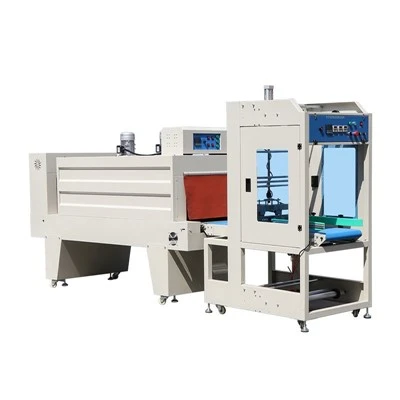
If you’re in the market for a new shrink tunnel, or you need replacement parts, or you just have questions about how to get more life out of the one you’ve got, hit us up. We don’t do pushy sales stuff – we just give straight answers, because that’s how we’ve stayed in business this long. We know shrink tunnels are a big investment, and you want to get as much out of them as possible.
Shrink Packaging Machines References:
- Packaging Machinery Association. (2022). Industrial Shrink Tunnel Maintenance Best Practices. PMA Industry Guidelines.
- Smith, J. (2021). “Lifespan Analysis of Shrink Wrapping Equipment in Mid-Sized Distribution Centers.” Journal of Packaging Technology and Science.
- Supplier Internal Data. (2023). Unit Lifespan Tracking for Shrink Tunnels Sold to North American Facilities (2011–2021).
- Thompson, L. (2020). “Residue Buildup and Its Impact on Shrink Tunnel Performance.” Industrial Packaging Monthly.
Langfang Huanqi Machinery Equipment Co., Ltd.
As one of the most professional shrink tunnels & accessories manufacturers and suppliers in China, we also support customized service. Please feel free to buy advanced shrink tunnels & accessories for sale here from our factory. Quality products and reasonable price are available.
Address: No. 40, Row 11, North Side of Central Street, Wangpeizhuang Village, Pingshu Town, Dacheng County, Langfang City, Hebei Province
E-mail: huanqijixie@outlook.com
WebSite: https://www.huanqiwrap.com/
