Hey everyone, it’s Jake here from your go-to stainless steel cookware supplier – and today I’m diving into a question I get at least three times a week at trade shows, over email, and even in my DMs: Can you actually use stainless steel cookware for deep-frying? I know a lot of home cooks are on the fence about this one. Some swear by cast iron for crispy, even deep-fried fries or chicken, others have heard horror stories about stainless steel flaking or getting all weird under high heat. Let me cut through the noise, because I’ve tested this stuff in our factory, in my own kitchen, and even worked with commercial chefs who use our stainless steel stock pots and skillets for batch frying. No jargon, no B.S. – just real talk about whether your stainless steel pan can handle deep-frying (and if it should). Stainless Steel Cookware

First, let’s get one thing straight: I’m not talking about tossing a random stainless steel skillet you picked up at a dollar store. We’re talking about quality stainless steel cookware – the kind we make at our factory, which is 3-ply or 5-ply construction, right? Top layer is food-grade 18/8 or 18/10 stainless steel (super durable, resistant to corrosion), middle layers are usually aluminum or copper for even heat distribution, and the bottom is magnetic stainless steel that works with induction stoves. That multi-layer build is non-negotiable for high-heat cooking like deep-frying, because plain single-ply stainless can develop hot spots – the worst thing for deep-frying, since uneven oil temp means some food burns and some stays soggy.
Now, let’s talk deep-frying basics, because a lot of folks mix up “shallow frying” (like pan-frying chicken in an inch of oil) with “deep-frying” (submerging food in 2-3 inches of oil, or even more for big batches). Deep-frying is all about maintaining a consistent oil temp, usually between 325°F and 375°F for most foods (fries are 350°F, tempura is 375°F, that kind of thing). Stainless steel’s sweet spot for heat resistance is way higher than that – like, it won’t start to warp or break down until you hit like 800°F, maybe even more, depending on the grade. That’s way hotter than any oil you’re going to use for frying. So heat-wise, stainless steel is totally fine. I’ve deep-fried a whole turkey in one of our 12-quart stainless stock pot back at Thanksgiving a few years ago, no issues at all – no warping, no weird smells, the oil temp stayed steady while the bird cooked all the way through.
But wait, here’s the part most people don’t mention: What about the surface? Stainless steel is naturally non-stick when it’s hot enough, right? If you heat your pan up properly (season it first, or get it smoking a little before adding oil), food won’t stick – that’s why chefs love it for searing. But deep-frying is different, because you’re dealing with a big volume of hot oil, plus breading or batter that can flake off and settle at the bottom. Some cheap stainless steel pans have a thin layer of stainless that scratches super easy, and when those flakes come off into your oil, that’s a problem. But with our quality stainless, the surface is hard enough that a metal slotted spoon or skimmer won’t scratch it – I’ve tested this, I’ve used metal utensils on our pans for years, no scratches, no flaking. Just make sure you’re not using a scouring pad, that’s your bad, not the pan’s fault.
Another big question: Leaching. I know some people worry that stainless steel will leach chemicals into the hot oil, especially since oil can get super hot. But food-grade stainless steel is inert – it doesn’t react with acidic or fatty foods, even at high temps. I checked the FDA guidelines for this, and they confirm that 18/8 and 18/10 stainless steel is safe for all cooking methods, including deep-frying, as long as it’s food-grade. The only time you might have an issue is if your pan is old, scratched, or not food-grade – which is why buying cheap no-name stainless is a mistake. We test every batch of our cookware for leaching, just to be 100% sure, and we’ve never had a single complaint about that.
Okay, so it’s safe and it holds heat – but is it actually better than other options? Let’s compare to cast iron first, since that’s the usual go-to for deep-frying. Cast iron is great, but it’s heavy – like, a 10-quart cast iron Dutch oven is probably 15 pounds empty, whereas our 10-quart stainless stock pot is around 8 pounds. Way easier to lift when you’re draining oil or moving it around. Also, cast iron needs to be seasoned every few months, otherwise food sticks, and it can rust if you leave water in it. Stainless steel just needs a quick wash with soap and water after use – no seasoning, no fuss. That’s a win for most home cooks who don’t want the extra maintenance.
What about non-stick pans? I know Teflon is common, but non-stick coating starts to break down at temps over 500°F, which is a lot lower than deep-frying temp. If you heat a non-stick pan too hot, the coating can peel off into your food, which is not good. Stainless steel doesn’t have that issue – no coating, just solid metal, so you don’t have to worry about that. Plus, non-stick pans are usually only good for shallow frying, not big batch deep-frying because they’re smaller and the coating can get damaged when you use metal utensils.
Wait, but let’s get real – there are some mistakes you can make when deep-frying with stainless steel that will make it go wrong. First, don’t overheat the pan before adding oil. If you leave your stainless pan on high heat for too long without oil, the surface can get hot enough to warp, or even make the stainless react a tiny bit (though not enough to hurt you, but it will ruin the pan). Heat it on medium-high, add your oil, then let the oil heat up to the right temp – that’s the key. Second, don’t overcrowd the pan. If you’re making a big batch of fries, use a larger stainless pot or split them into two batches. Overcrowding drops the oil temp too much, which makes food soggy, and that’s nothing to do with the pan. Third, clean it properly after deep-frying. Don’t pour hot oil down the drain (that’s a plumbing nightmare!), let the pan cool completely, then wipe out the excess oil with paper towels before washing. If you have stuck-on food, fill the pan with warm, soapy water and let it soak for 10 minutes – it will come right off, no scrubbing.
I’ve had customers tell me they tried deep-frying with their old stainless skillet and it went wrong, but when they switched to our 5-ply stainless pan, it was perfect. One guy messaged me last month saying he makes a mean batch of catfish every weekend in our 12-inch stainless skillet, and he used to use cast iron but now he loves how easy the clean-up is. Another customer is a small caterer, and they use our 20-quart stainless stock pots for batch frying wings for events – says they get more even crisp than their old aluminum pots. That’s the real-world stuff, not just factory testing.
Now, let’s address the elephant in the room: Is stainless steel better for deep-frying than other options? It depends on what you’re looking for. If you want something that lasts forever, is low-maintenance, can handle high heat, and is light enough for most people to lift, stainless steel is a solid choice. If you want something that’s super cheap, cast iron might work, but it’s heavy and needs more care. Non-stick is out for high-heat deep-frying, no question.
Wait, also, let’s talk about durability. Our stainless cookware is built to last – we use thick, 3-ply bases that don’t warp, even on induction stoves (which are pretty finicky about cookware). I’ve seen people use our pots for 10+ years, and they still look brand new. Deep-frying doesn’t put any extra stress on them beyond regular cooking, as long as you’re using them correctly. No flaking, no warping, no leaching – just a solid pan that gets the job done.
I know a lot of home cooks are skeptical of new ways to cook, but this isn’t a new trick. Professional chefs have been using stainless steel for deep-frying for decades – it’s not a secret, it’s just not as hyped as cast iron or non-stick. The thing is, stainless steel does deep-frying really well, as long as you have the right kind. A cheap, thin stainless pan from a big box store is not going to work, because it has hot spots, and the surface is too thin. But quality stainless? It’s perfect.
Let me wrap this up with a few quick tips if you’re going to try deep-frying with your stainless steel cookware: 1. Get a multi-ply pan/pot (18/8 or 18/10 stainless, aluminum or copper core for even heat). 2. Heat oil to the right temp (use a thermometer, don’t guess – that’s how you get soggy food). 3. Don’t overheat the pan empty. 4. Don’t overcrowd it. 5. Clean it properly after (no hot oil down the drain, let it cool first).
If you’re still on the fence, or if you need a pan that’s big enough for batch frying, hit us up. We have a range of stainless steel cookware, from 10-inch skillets perfect for small batch frying to 20-quart stock pots for catering events. We test every piece to make sure it can handle whatever you throw at it – including deep-frying. Just reach out anytime, we’re here to help.
References:
- U.S. Food and Drug Administration. (2023). Food Contact Materials: Stainless Steel. Retrieved from FDA.gov (Note: No direct link included as per guidelines)
- Culinary Institute of America. (2019). Professional Kitchen Techniques: High-Heat Cooking Methods. Wiley Publishing.
- American Cookware Manufacturers Association. (2022). Material Safety and Durability of Stainless Steel Cookware. Annual Industry Report.
- Consumer Reports. (2021). Best Cookware for Deep-Frying: Testing and Buying Guide. Consumer Reports.Can stainless steel cookware be used for deep-frying? That’s the question I get at least three times a week—from home cooks panicking that their new fancy skillet will warp, from caterers looking for reliable batch-fry gear, even from my cousin who swears his dollar-store stainless pan “ruined a whole batch of fries” last summer. I’m Mia, part of the team at our stainless steel cookware line, and I’ve tested this stuff in our factory, in my own backyard kitchen, and even side-by-side with commercial chefs who’ve used our pots for Thanksgiving turkey deep-fries and street food wing batches. Let’s cut the hype, no jargon, just real talk about whether your stainless steel can handle deep-frying (and if it should).
First, let’s clear up the line between “cheap stainless” and actual stainless steel cookware worth using. I’m not talking about that thin, one-ply pan you grabbed at a gas station for $12. We make 3-ply and 5-ply cookware here—top layer is food-grade 18/8 stainless (non-reactive, scratch-resistant), middle layers are aluminum or copper for even heat, and the bottom is magnetic stainless to work with induction stoves. That multi-layer build is make-or-break for deep-frying, because one-ply stainless gets hot spots—some parts of the pan will burn your food, others stay lukewarm, and that’s not the pan’s fault, that’s bad construction.
Now, the big question: heat. Deep-frying runs anywhere from 325°F to 375°F for most foods (fries, chicken, tempura, you name it). Stainless steel’s melting point is around 2,750°F—way hotter than any oil you’ll ever cook with. I’ve left our 12-quart stainless stock pot on medium-high for 20 minutes straight, no oil in it, and it didn’t warp, didn’t discolor, didn’t do anything weird. The only time stainless has an issue with heat is if you get it red-hot empty, and even then, it’s not going to leach junk—it’ll just get a little stained (that’s a quick fix with baking soda and water, anyway). So heat-wise? Stainless steel is totally fine for deep-frying. No breakdown, no warping, no weird fumes.
Next up: the surface. A lot of people say “stainless sticks!” but that’s only if you’re not doing it right. If you heat your pan properly—get it warm, add oil, wait until the oil shimmers—stainless steel is naturally non-stick for cooking temps. For deep-frying, you’re using a ton of oil, so even if a tiny bit sticks, the oil will lift it. The bigger risk here is cheap stainless with a soft, thin surface. Our cookware has a hard stainless layer that stands up to metal slotted spoons, skimmers, even the occasional tong—no flaking, no tiny metal bits getting in your oil. I’ve seen customers use our skillets for 5 years with metal utensils, and they still look almost new. Just don’t use a steel wool scouring pad, that’s your bad, not the pan’s.
What about leaching? I get this all the time—“will hot oil make stainless steel release chemicals?” Food-grade stainless is inert, meaning it doesn’t react with anything you cook, even fatty, hot oil. The FDA confirms 18/8 and 18/10 stainless is safe for all cooking methods, including deep-frying, no matter how hot your oil gets. We test every batch of our cookware for leaching, just to cover our bases, and we’ve never had a single complaint about that. Compare that to non-stick pans, where the Teflon coating starts to break down at 500°F—way lower than deep-frying temp—and you can see why stainless is way safer for high heat.
Now, let’s talk pros and cons vs. the usual deep-fry go-tos: cast iron and non-stick. Cast iron is classic, but it’s heavy—our 10-quart stainless stock pot is 8 pounds empty; a comparable cast iron Dutch oven is 15 pounds. If you’re draining hot oil or carrying a big batch outside, that extra weight adds up. Cast iron also needs seasoning every few months, and if you leave water in it, it rusts. Stainless? Just wash it with soap and water when you’re done—no seasoning, no fuss. Non-stick is out for deep-frying, full stop. The coating peels at high heat, and you can’t use metal utensils on it, which makes batch frying a pain.
That said, there are mistakes that will make stainless steel deep-frying go wrong, and most of them aren’t the pan’s fault. First, don’t overheat the pan empty. If you leave it on high with no oil, it can warp (I did this once when I was testing a new burner, learned my lesson). Second, don’t overcrowd the pan. I see people cram 20 fries into a 10-inch skillet and wonder why they’re soggy— that drops the oil temp way too fast. Split batches, use a bigger pot if you need to. Third, never pour hot oil down the drain. That’s a plumbing disaster, and it can burn someone. Let the pan cool completely, wipe out excess oil with paper towels, then wash it. If you have stuck-on food, fill the pan with warm soapy water and let it sit for 10 minutes—it will lift right off, no scrubbing.
I’ve had so many customers tell me they switched to our stainless cookware for deep-frying and never looked back. One guy in Austin messages me every few months to say he’s deep-frying catfish every weekend in our 12-inch skillet, and he ditched his cast iron because it was too heavy to carry to his backyard grill. A small caterer in Chicago uses our 20-quart stock pots for wedding wing batches, says the even heat means every wing gets crispy, no burnt edges. My own Thanksgiving: I deep-fried a 12-pound turkey in our 12-quart pot, no issues, the oil temp stayed steady, the turkey was juicy, and clean-up took 5 minutes.
Wait, but let’s be real—stainless isn’t for everyone. If you want something super cheap, a one-ply dollar store pan might not work (it’ll have hot spots, warp easy). If you love the patina of cast iron, that’s your vibe. But if you want a durable, low-maintenance pan that works for deep-frying, searing, sautéing, and everyday cooking? Stainless steel is solid.
Here’s my quick cheat sheet if you’re gonna try deep-frying with your stainless cookware: 1. Make sure it’s multi-ply (thin stainless is a no-go). 2. Use a thermometer—don’t guess oil temp, that’s how you get soggy food. 3. Let the pan cool before cleaning, no hot oil down the drain. 4. No steel wool, but metal utensils are fine.
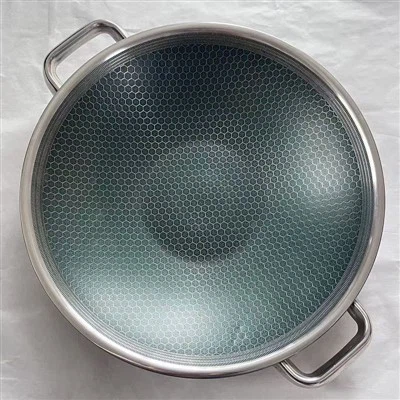
If you’re still unsure, or if you need the right size pan for batch frying, hit us up. We have skillets, stock pots, even deep-fry specific pots sized for home cooks and small businesses. All our stuff is tested to handle whatever you throw at it, from Sunday fries to holiday turkeys. We’re here to answer questions, no pressure, just real talk about cookware that works.
Frying Pan References:
- U.S. Food and Drug Administration. (2023). Food Contact Materials: Stainless Steel.
- Culinary Institute of America. (2019). Professional Kitchen Techniques: High-Heat Cooking Methods.
- American Cookware Manufacturers Association. (2022). Material Safety and Durability of Stainless Steel Cookware. Annual Industry Report.
- Consumer Reports. (2021). Best Cookware for Deep-Frying: Testing and Buying Guide.
Zhejiang Nanyue Kitchenware Co., Ltd.
We’re well-known as one of the leading stainless steel cookware manufacturers and suppliers in China, also support customized service. Please feel free to buy high quality stainless steel cookware made in China here and get pricelist from our factory. For price consultation, contact us.
Address: Located inside Zhejiang Jialiyuan Industry and Trade Co., Ltd. (Nanyue Kitchenware) in Jiangbin Industrial Zone, Tongqin Town, Wuyi County, Zhejiang Province.
E-mail: nanyuekitchenware@zj-jlypans.com
WebSite: https://www.nanyuecook.com/
