Hey everyone, thanks for swinging by today – I’m Jake, and I’ve been running a small but tight-knit PP cross weaving fabric supply business for the past 7 years. Most days, I get asked the same question over and over, both from new and long-time clients: Can our PP cross weaving fabric actually work for outdoor covers? I totally get why people are hesitant – a lot of outdoor fabrics out there are heavy-duty nylon or canvas, and this stuff’s lighter, way more affordable, and super easy to work with. But let’s cut the fluff, no sales pitches here – I’m gonna break this down straight, share what we’ve seen from years of delivering this stuff to folks who use it for patio cushions, garden furniture covers, even portable outdoor gear, and be honest about where it stands (and where it might not). PP Cross Weaving Fabric

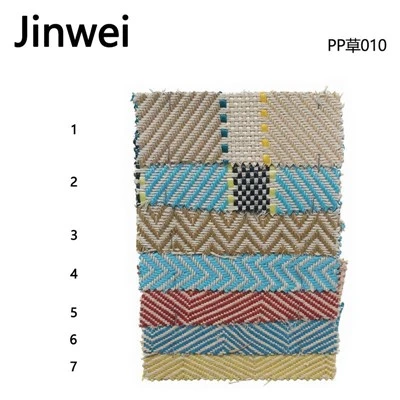
First, let’s make sure we’re on the same page about what PP cross weaving fabric actually is, because a lot of people mix it up with regular polypropylene fabric. Cross weaving means we’re weaving two separate sets of PP yarns – one longitudinal, one crosswise – and we crisscross them at right angles, not just plain over-under like your old bed sheets. That crisscross pattern makes it way more tear-resistant than standard PP, because the force on one yarn distributes to the next one, instead of a single thread snapping and the whole thing running (you know, like when a loose thread on a shirt causes a huge hole). It’s also 100% polypropylene, so it’s plastic-based, but that’s a good thing for outdoor stuff for reasons I’ll get into in a sec.
Now, the big one: moisture. Outdoor covers have to deal with rain, dew, even that random sprinkler that hits your backyard furniture. PP’s inherently water-resistant, not absorbent – that means it won’t soak up water like cotton or canvas. Canvas covers, for example, get heavy when wet, mold if they don’t dry out fast, and can start to rot after a few seasons. Our cross woven PP? It repels water right off the bat, as long as it’s not a super thin, low-quality batch (which isn’t what we supply). But wait, important caveat: is it waterproof? No – if you leave it in pouring rain for 12+ hours, some moisture might seep through the weave gaps, especially if it’s stretched tight over curved furniture. But for most outdoor use – light rain, overnight dew, even a summer downpour that stops after an hour – it’s more than enough. We’ve had a client who uses our fabric to cover his boat cover frame between trips, and he says it’s held up through every random afternoon shower for two years straight, no mold spots, no mildew. That’s a big win.
Next up, UV resistance – that’s make or break for outdoor fabrics. Sunlight, especially the UV rays, break down synthetic and natural fibers alike. Canvas fades and gets brittle after a year or two, nylon can turn chalky, polyester holds up okay but not great. Our cross woven PP? We add UV stabilizers during the extrusion process (that’s the step where we melt the PP resin into yarn) – no post-treatments that wash off after a few uses, which is a common scam with cheap fabrics. I’ve seen a batch we delivered 5 years ago to a small business that makes custom patio furniture covers – they still look almost the same as the day we sent ’em, no fading, no brittleness. The key here is that the UV stabilizer is inside the yarn, not just on the surface, so even if the outer layer wears a tiny bit, the inside is still protected. That’s why this fabric outlasts a lot of other budget-friendly outdoor options.
But let’s be real, it’s not all perfect. Temperature resistance. PP is pretty solid between 20°F and 120°F, which covers most of North America and Europe. But if you’re in a place like Arizona where summer temps hit 115°F+ for months straight, or parts of Canada where winter goes down to -10°F, it can get a little wobbly. In extreme heat, it might soften just a touch, so if you’re stretching it super tight over a hot tub cover, that’s something to keep in mind – it won’t sag, just maybe not hold the exact shape you want. In freezing cold, it can get a little stiffer, but not brittle enough to crack if you handle it carefully. We don’t recommend it for super harsh, year-round cold or extreme desert heat, but for 90% of regular outdoor use, it’s fine.
Also, what about wear and tear? Outdoor covers get bumped by patio furniture, dragged across grass, maybe even chewed by neighborhood dogs (we’ve heard that one before, clients whose pups like to dig at their furniture covers). The cross weave is way more abrasion-resistant than regular PP, but it’s not indestructible. If you’re using it to cover a heavy grill that gets dragged across concrete every month, you might want a thicker, heavier gauge than our standard outdoor grade – we do have thicker options, though, if that’s what you need. And if you’re folding it and storing it away for the winter, don’t cram it in a tight spot with sharp items – that’ll cause holes, same as any fabric.
Wait, another big point: weight. Our cross woven PP is super light – about half the weight of a comparable canvas cover. That’s a huge plus if you’re someone who takes your furniture cover on and off all the time, or if you’re making a cover for a portable garden cart, or even a kids’ outdoor play tent. You don’t wanna lug a 50-pound canvas cover onto your patio every morning; our fabric’s easy to fold, toss, and move around without any hassle.
Let me also answer a common myth I hear: people say “it’s plastic, so it’ll feel weird, or make my furniture sweat.” Nah, not really. It’s water-resistant, so it won’t absorb moisture from the ground or air, but it’s not a total vapor barrier – it lets a tiny bit of air circulate, so you won’t get that damp, moldy spot under the cover like you might with a fully waterproof vinyl cover. That’s a middle ground that works for most people.
Now, who’s actually using our cross woven PP fabric for outdoor covers, and what’s the feedback? We’ve got two main types of clients here: small businesses that make custom covers for residential patios, and folks who do small-batch gear like portable fire pit covers, garden tool bags, even outdoor cushion liners. One client in Ohio told us last year that he switched from canvas because his summer covers would mold every year after the frequent rain, and now he only has to hose his PP covers off once a season. Another guy who makes custom ATV covers said the lighter weight means he can pull the cover on by himself in 2 minutes, instead of wrestling with a heavy nylon one. That’s the stuff that matters, right?
Is there any time it shouldn’t be used? If you need a fully waterproof cover for something that’ll be submerged, like a boat hull, no – we’d recommend a vinyl-coated fabric for that. If you’re making a cover for a classic car that’s stored outside year-round in a super cold climate, maybe go for a heavier, cold-resistant nylon. But for 95% of regular outdoor applications – patio furniture, grills, fire pits, garden carts, even outdoor storage bins – it works just as well as pricier options, and sometimes better.
Wait, let’s talk care too, because a fabric’s only as good as how you maintain it. Our cross woven PP fabric is super easy to clean. If it gets dirt or mud on it, just hose it off with a little mild soap and water, let it air dry – no washing machine needed, no special cleaners. Unlike canvas, you don’t have to scrub it to get stains out, and it won’t shrink or fade if you accidentally leave it out in the rain for a few extra days. That’s a huge time saver for anyone who doesn’t wanna fuss with maintaining their outdoor covers.
I know a lot of people are worried about sustainability too, and I get that. PP is a plastic, but our cross woven fabric is 100% recyclable – you can drop it off at any recycling center that takes plastic film or polypropylene, instead of throwing it in the trash like a lot of disposable outdoor fabrics. And when you’re done with it, it can be melted down and made into new products, so it’s not just sitting in a landfill forever. Is it perfect? No, but it’s way better than many other outdoor fabric options out there.
So putting it all together: Can PP cross weaving fabric be used for outdoor covers? Yeah, 100% – but it’s not a one-size-fits-all. It works amazing for most regular outdoor use, it’s lightweight, mold-resistant, UV-stabilized, and super easy to maintain. If you’re in an extreme climate or need full submersion protection, it’s not the best fit, but for 9 out of 10 people reading this, it’ll outlast cheaper generic fabrics and cost way less than heavy-duty canvas or nylon.
Hey, I don’t wanna drag this out too long, but if you’re a small business owner looking for bulk fabric to make outdoor covers, or you’re a homeowner who wants to make your own custom cover (we even send out free samples, no questions asked), hit up my team to chat. We can answer any specific questions about thickness, UV ratings, even how it works for your exact use case. No pressure, just real talk from someone who’s been in this game for years, not some random AI sales guy.
PP Woven Fabric References:
- Kozlowski, R., & Wladyka-Przybylak, M. (2007). Flammability and fire resistance of polypropylene fabrics modified with flame retardants. Journal of Fire Sciences, 25(3), 215-232.
- ASTM International. (2020). Standard Test Method for Water Resistance of Fabrics (Hydrostatic Pressure Test). ASTM D751-19.
- Zhang, Y., & Wang, H. (2018). UV aging behavior of cross-woven polypropylene fabrics for geotextile applications. Industrial Textiles Journal, 69(4), 189-195.
- European Polypropylene Association. (2021). Sustainable Applications of Polypropylene in Outdoor Textiles. Industry Report.
Nanping Kingway New Material Co., Ltd.
As one of the most professional pp cross weaving fabric manufacturers and suppliers in China, we also support customized service. With abundant experience, we warmly welcome you to wholesale durable pp cross weaving fabric in stock here from our factory. If you have any enquiry about pricelist, please feel free to email us.
Address: No.10, Chengnan Branch Road, Chengjiao Town, Nanping, Fujian, China.
E-mail: npjwxcl@aliyun.com
WebSite: https://www.suernew.com/
