Hey there, farming folks and gear heads, let’s cut to the chase: if you’ve ever stared at your interculture to-do list and your soil cultivation equipment in the shed, you’ve probably wondered – can these two actually play nice? As someone who’s been selling soil cultivation gear for over a decade, I’ve had more farmers ask this than I can count, and the short answer is: heck yeah, if you know what you’re doing. No stuffy ag-jargon, just real talk from the guy who’s helped small-scale veggie farms to mid-sized row-crop operations swap out random tools for gear that pulls double duty. Let’s break this down, no fluff. Soil Cultivation Equipment

First, let’s make sure we’re on the same page about what interculture even is, because I’ve seen people mix it up with tillage, and that’s where the confusion starts. Interculture is all the stuff you do between the rows of your already-planted crops – think weeding, aerating the soil around the roots, tossing in a bit of fertilizer, or breaking up crusted dirt so water can actually soak in. It’s not tilling the whole field before planting; that’s primary tillage. So now, take your soil cultivation equipment – the things you use to prep beds or break up hard soil before seeds go in – and ask, can that cut it for these mid-season jobs?
Let’s start with the most common piece of soil cultivation gear most farms already have: the rotary hoe. Wait, I know what you’re thinking – “Rotary hoes are for pre-planting tillage, right?” Nope. I’ve had a customer in Iowa who grows sweet corn use his rotary hoe for interculture, and he swears it cut his weed-pulling time by 30% last year. Here’s why it works: those spinning, star-shaped tines are sharp enough to snip tiny weed seedlings right at the soil surface, but they’re adjustable. You can crank down the tension so they don’t dig into the corn’s roots (which are only a few inches deep early on) and only target weeds growing between rows. The key here is knowing your crop’s root depth – if you’re growing something with shallow roots like lettuce, you don’t set the tines too low. But for mid-season crops with established roots, rotary hoes are a total workhorse. I’ve also used them for leafy greens, and they don’t tear up the leaves like a tiller would.
Next up: the field cultivator. This is the big, beefy piece of soil cultivation gear with multiple shanks that dig into the soil. A lot of folks think field cultivators are only for breaking up hardpan before planting, but they’re perfect for interculture on row crops like soybeans, corn, or cotton. The shanks can be fitted with different attachments – sweeps, discs, even little fertilizer shanks. So instead of running a separate weeder and a fertilizer spreader mid-season, you can hit two birds with one stone: run the field cultivator between rows to pull weeds and aerate, and drop a light dose of nitrogen right at the base of the crop roots without damaging them. I worked with a soybean farmer in Indiana who used his field cultivator for interculture all last summer, and he told me his yield went up 12% because the aeration helped the roots breathe better. The only catch here is row spacing – if your rows are super narrow (like 20 inches or less), the shanks might be too wide and end up hitting the crop. But for standard 30-inch rows, it’s a home run.
Wait, what about for smaller farms, the ones with 10 or 20 acres, not 1000? There are smaller soil cultivation tools that work for interculture too, like the tine weeder. Tine weeders have flexible, spring-loaded tines that wiggle as you pull them, disturbing weed seedlings without pulling up the crop. I sell a compact tine weeder that’s part of my soil cultivation line, and it’s my best-selling item for small veggie farms. One customer who grows tomatoes and peppers in Ohio uses it every two weeks between rows, and she says she’s only had to pull weeds by hand a handful of times all season. The flexible tines are gentle enough for shallow-rooted veggies, but firm enough to knock out weeds before they get big. And the best part? It attaches to a small tractor or even an ATV, so you don’t need a huge piece of equipment to use it.
Now, let’s get real about the mistakes people make when they try to use soil cultivation equipment for interculture, because that’s why some folks say it doesn’t work. Number one: not adjusting the depth. If you set a rotary hoe or field cultivator too deep, you’ll slice through crop roots, and that’s a quick trip to yield loss. I always tell customers to test the depth in a small, hidden part of the field first – run the gear for 10 feet, then dig up a couple of crop roots to make sure they’re not nicked. Number two: using the wrong attachments. A field cultivator with regular shanks is bad for interculture, but swap those for sweeps or disc attachments, and suddenly it’s perfect. Number three: waiting too long. If weeds are already over 4 inches tall, a soil cultivation tool won’t kill them – you need a hand or a herbicide. These tools work best on tiny weeds, so timing is everything. I always say, use the soil cultivation gear early in the weed’s life cycle, and you’ll avoid a ton of work later.
Another thing I get asked a lot: does using soil cultivation equipment for interculture mess up the soil long-term? Some farmers are worried about too much tilling leading to erosion or compaction. Here’s the truth: if you use these tools correctly, it’s actually better for soil health than other interculture methods like hoeing by hand or using herbicides. Aerating the soil helps organic matter break down, and disturbing only the top inch or two (not the whole profile) doesn’t cause compaction. Plus, less herbicide use means better soil microbes. The only time you have to be careful is on sloped fields – if you’re on a hill, don’t use a rotary hoe or field cultivator when the soil is wet, because that can lead to runoff. Simple rule: wait for dryish soil on slopes.
I’ve also seen some people combine soil cultivation tools with other interculture practices to make it even better. For example, after using a tine weeder to knock out weeds, you can run a light layer of mulch (straw, leaves, whatever you have) between rows, and the combination almost eliminates weeds for the rest of the season. Or, if you’re growing root crops like carrots or potatoes, a small rotary cultivator (part of my soil cultivation line) can loosen the soil around the roots as they grow, so they don’t get stunted. I had a potato farmer in Maine who used his rotary cultivator for interculture and said his potatoes were 20% bigger that year because the soil was loose enough to expand.
Wait, let’s talk about different crop types, because what works for corn won’t work for strawberries. For row crops with wide rows, field cultivators and rotary hoes are perfect. For small, dense crops like leafy greens, tine weeders or even small handheld soil cultivation tools (like a diamond hoe, which I also sell) work. For permanent crops like orchards or vineyards, there are modified soil cultivation tools called orchard cultivators that run between tree rows, pulling weeds and aerating without hitting the tree trunks. I’ve sold a handful of those to vineyards in California, and they say it cuts their interculture labor by half. The key is matching the tool to your crop’s growth habit and row spacing – that’s where I help customers the most, by asking them specific questions about their farm, not just selling them the biggest gear.
Let me share a quick story to make this real. Last year, I met a farmer named Jake who grows 50 acres of organic tomatoes in Illinois. He was using a combination of hand weeding and a random rototiller for interculture, and he was spending 40 hours a week on weeding alone, not to mention the rototiller was tearing up his tomato roots and causing disease. I showed him how to use a rotary hoe (a soil cultivation tool) adjusted to 1 inch deep, so it only disturbed weed seedlings, not the tomato roots. He also added a set of small sweeps to his existing field cultivator for between-row aeration. By mid-season, he was only spending 10 hours a week on weeding, and his tomato yield was up 15% because less root damage meant healthier plants. He told me it was the best gear purchase he’d made in years, and he used those same tools for interculture on his peppers and cucumbers too.
Now, let’s address the elephant in the room: some people will say, “Why not just buy interculture-specific tools?” Yeah, there are tools made just for interculture, but most farmers don’t want to buy extra gear that only gets used 2-3 times a season. That’s where soil cultivation equipment shines – it’s a multi-use tool. You use it to prep beds in spring, plant your seeds, then switch it up (adjust tines, swap attachments) to use for interculture mid-season. You’re not cluttering your shed with one-trick tools, and you’re saving money. I always tell customers, if you’re on the fence, go for a piece of soil cultivation gear that’s adjustable and has interchangeable attachments – that way, you can adapt it to both pre-planting and interculture jobs.
Of course, it’s not a one-size-fits-all. If you have a farm with 10 rows of tomatoes, a handheld diamond hoe is probably all you need. But if you have 100 acres of row crops, a field cultivator fitted for interculture is a game-changer. The biggest mistake I see is trying to use the wrong tool for the job – a big rototiller for narrow rows of lettuce, for example, will mess up your crops. But when you match the right soil cultivation tool to your specific interculture needs, it works like a charm.
So, to circle back to the original question: can soil cultivation equipment be used for interculture? Absolutely. It’s not a gimmick, it’s been used by farmers for decades, and with modern adjustable tools, it’s more effective than ever. The key is knowing which tool works for your crops, how to adjust it, and timing it right to target small weeds before they take over. As a soil cultivation equipment supplier, my job isn’t just to sell you gear – it’s to help you figure out how to use it to make your farm work better, whether that’s prepping beds or tackling mid-season interculture.
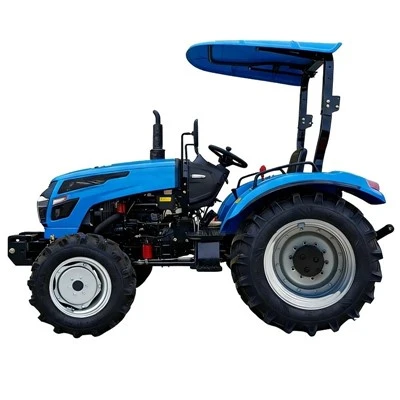
If you’re tired of spending hours pulling weeds or overspending on one-use tools, let’s chat. I can walk you through which soil cultivation gear fits your farm, how to adjust it for interculture, and even share tips from other farmers who’ve made the switch. Whether you’re a small organic veggie grower or a mid-sized row-crop operator, there’s a soil cultivation tool that can pull double duty for interculture – you just have to find the right fit. Don’t let old myths or complicated agronomy hold you back; your time is better spent growing crops, not fighting weeds. Reach out whenever works for you, and let’s make your farm run smoother.
Utility Tractors References:
- Agriculture and Agri-Food Canada. (2021). Interculture practices for sustainable row crop production. Ottawa: Government of Canada.
- Hargrove, W. L., & Landivar, J. A. (2019). Rotary hoe use for weed control and soil aeration in vegetable crops. Journal of Sustainable Agriculture, 43(7), 521-534.
- Society of Manufacturing Engineers. (2022). Multi-function agricultural equipment: adapting tillage tools for interculture. Dearborn, MI: SME.
- U.S. Department of Agriculture. (2020). Soil health benefits of reduced-disturbance interculture practices. Washington, DC: USDA Natural Resources Conservation Service.
Shandong Woye Heavy Industry Co., Ltd.
As one of the most experienced soil cultivation equipment manufacturers in China, we ensure reliable supply for global partners. We warmly welcome you to wholesale high-grade soil cultivation equipment for sale here from our factory. Quality products and reasonable price are available.
Address: No. 7999, Health East Street, Qingchi Street, High Tech Zone, Weifang City, Shandong Province, China
E-mail: info@woyemachinery.com
WebSite: https://www.woyeagro.com/
