If you’ve ever walked a lawn that was sparse, patchy, or dotted with weeds like crabgrass or dandelions, you’ve probably wondered what small fix could turn it around. As someone who’s spent the last 12 years supplying quick lime powder to homeowners, landscapers, and farm teams across the Midwest, I get a lot of questions: Is this stuff even safe for grass? Does it really work, or is it just another overhyped garden trick? The short answer? It works—but only when you use it right. Today, I want to break down what quick lime (chemically called calcium oxide, or CaO) actually does for your lawn, when it’s a good idea, when it can do harm, and how to use it if you decide it’s right for your grass. No fancy jargon, no sales pitch that ignores the risks—just real, hands-on advice from a supplier who’s seen both great results and avoidable mistakes. Quick Lime Powder

First, let’s talk about soil pH, because that’s the foundation of almost every lawn problem. Grass (most common cool-season types like Kentucky bluegrass, fescue, and ryegrass, which make up 70% of lawns in the U.S.) thrives in a slightly acidic to neutral soil pH, usually between 6.0 and 7.0. When pH drops below 6.0, soil becomes too acidic. That’s a big deal because pH controls how well grass can pull nutrients from the soil. Nutrients like nitrogen, phosphorus, and potassium are locked up in acidic soil—they’re there, but your grass can’t access them. Acidic soil also lets weeds that love low pH (like clover, plantain, and those stubborn crabgrass seedlings) take over, while desirable grass struggles to compete.
This is where quick lime comes in. Unlike garden lime (which is calcium carbonate, also called ag lime), quick lime reacts faster to raise soil pH. When you spread quick lime over moist soil, it combines with water to form calcium hydroxide, a compound that neutralizes excess hydrogen ions (the source of acidity) in the soil. The effect is noticeable within a few weeks, rather than the months or even a full season it takes for ag lime to work. For busy homeowners or landscapers fixing a lawn that’s already stressed, that speed is a huge plus.
But here’s the thing: quick lime isn’t a “miracle fix” for every lawn. I’ve had customers call me in a panic saying their grass turned brown after applying quick lime, and 9 times out of 10, they skipped a simple step: testing their soil. Too much quick lime (or applying it when pH is already above 7.0) sends soil alkaline, and grass doesn’t like that either. Alkaline soil locks up nutrients like iron and manganese, which causes something called chlorosis—yellowing grass from nutrient deficiency. I once had a customer in Ohio apply a full bag of quick lime to a 1,000-square-foot lawn because his neighbor swore by it, and by the next weekend, half his fescue was brown. We tested his soil, and it was already at 6.8—right in the ideal range. He’d overcorrected, and fixing it meant adding sulfur to lower pH back down. That’s why the first rule is: never apply any lime (quick or ag) without a soil test.
How do you know if quick lime is the right choice? Let’s break down the scenarios where it works, and where you should skip it.
First, when quick lime is a good fit:
Your soil test shows pH below 5.5. If your lawn is less than that, it’s extremely acidic, and ag lime will be too slow to fix it before weed seeds take hold or grass dies back. Quick lime’s fast pH boost can get your lawn into the ideal range in 4-6 weeks, which is perfect if you’re planning to reseed or fertilize soon.
Your lawn is plagued by acid-loving weeds. If you’ve tried pulling dandelions or spraying crabgrass killer over and over, and it keeps coming back, acidic soil is almost always part of the problem. When you raise pH to the 6.0-7.0 range, those weeds can’t thrive, and your grass gets a competitive edge.
You have heavy clay soil. Clay soil tends to get compacted, and acidic clay holds onto moisture and nutrients poorly. Quick lime doesn’t just raise pH—it also helps flocculate (clump) clay particles, which improves drainage and aeration. That means less standing water after rain, and grass roots can grow deeper, making the lawn more drought-tolerant.
When to skip quick lime:
Your soil pH is already 6.0-7.0. As I learned from that Ohio customer, over-liming is a common mistake here. Alkaline soil is just as bad as acidic soil for most lawn grasses.
You have warm-season grass (like Bermuda, St. Augustine, or zoysia). Wait, hold on—warm-season grasses actually prefer a slightly lower pH, around 5.8-6.5. Quick lime will raise their pH beyond their sweet spot, leading to nutrient deficiencies and thin grass.
You’re growing acid-loving plants nearby. If your lawn borders a garden with azaleas, blueberries, or rhododendrons, their acidic soil will leach into your lawn. Adding quick lime might make your lawn’s pH swing too high, while leaving those plants unhappy.
You have a new lawn. If you just seeded or sodded, wait at least 6 months before applying quick lime. New grass is sensitive to sudden changes in soil chemistry, and quick lime can burn young roots if not applied carefully.
Now, if you’ve tested your soil and confirmed it’s acidic enough for quick lime, how do you apply it safely and effectively? I’ve been supplying quick lime for years, and I’ve seen customers make application mistakes that waste product or harm grass. Here’s my step-by-step guide, based on what works best for lawns, not just industrial uses of quick lime.
First, calculate how much you need. Don’t just grab a bag and spread it—your soil test will tell you exactly how much to apply. For lawns, the standard rate is 20 to 50 pounds of quick lime per 1,000 square feet, but that number drops dramatically if your pH is only slightly acidic (like 5.7 or 5.8) instead of extremely acidic (below 5.0). Your soil test report will list a recommendation tailored to your specific soil’s acidity, so follow that. If you don’t have a soil test, you can pick up an at-home test kit from a garden center, but keep in mind that these are less accurate than professional lab tests—so always err on the lower side.
Next, apply it at the right time. The best windows are early spring, before the grass starts its rapid growth spurt, or early fall, after the heat of summer fades. Avoid applying in the middle of summer, when heat and humidity make quick lime more likely to burn grass. Also, never apply quick lime when the forecast calls for heavy rain—too much water can wash it into low spots or run off into nearby waterways, where it can harm aquatic life (high pH changes in streams and lakes can kill fish and plants).
How to spread it evenly? Quick lime is a fine powder, so it can be windy—always apply on a calm day, when wind speeds are under 10 mph. Use a broadcast spreader (the kind that covers large areas evenly) rather than a handheld spreader for big lawns. If you’re using a drop spreader, go over the lawn in two directions: north-south, then east-west, to make sure you don’t miss any spots. Wear a dust mask and gloves when handling quick lime—it can irritate your lungs and skin, especially if you have sensitive skin or asthma. It’s also a good idea to wear goggles, just in case the powder gets in your eyes.
After applying, water the lawn lightly. A half-inch of water is enough to activate the quick lime, without washing it away. Don’t drench the lawn—we don’t want runoff. You can also fertilize or reseed a week after applying quick lime, once the pH has started to adjust.
Wait a second—what about safety for pets and kids? That’s a question I get all the time. Quick lime powder is caustic when it’s dry, so if your pet or a child walks on the lawn right after application, the powder can stick to their paws or shoes, and then irritate their skin. Wait until the lawn is dry and the quick lime has been watered in completely—usually 24 to 48 hours—before letting anyone or anything walk on it. Once it’s watered in, the calcium hydroxide is less caustic, and it’s safe for pets, kids, and pollinators like bees. I always tell customers to read the product label too—some brands have specific waiting periods, so that’s a good second check.
I also want to clear up a common myth about quick lime and fertilizer. A lot of people think lime is a fertilizer, but it’s not. It doesn’t add nitrogen, phosphorus, or potassium, the three main nutrients grass needs to grow. What it does is unlock those nutrients that are already in the soil but unavailable in acidic conditions. So applying quick lime alone won’t make your grass greener or thicker—you still need to fertilize regularly, water properly, and mow at the right height (3 to 4 inches for most cool-season grasses). Quick lime is a soil amendment, not a replacement for good lawn care.
Now, let’s talk about a common question: is quick lime better than ag lime for lawns? As a supplier, I don’t push one over the other—it depends on your needs. Ag lime is cheaper, lasts longer (up to 2 years), and is gentler on over-liming if you make a mistake. But it’s slow. If you need fast results for a lawn that’s already struggling, quick lime is the way to go. For lawns that are just slightly acidic and don’t need a quick fix, ag lime is often the better, more cost-effective choice. I always tell customers to weigh their timeline: are you reseeding next month? Quick lime is best. Are you just maintaining a healthy lawn? Ag lime will work just fine.
I’ve seen amazing results from quick lime. Last year, a landscaper I supply to had a lawn in central Illinois that was 60% crabgrass, with fescue that was only 2 inches tall even after fertilizing. His soil test came back at pH 5.2, way too low. We applied quick lime at 35 pounds per 1,000 square feet, watered it in, and a month later he sent me photos: the crabgrass was starting to die back, and the fescue was growing 3 inches tall, with new blades filling in the sparse spots. He came back and ordered more for three more lawns that same month. That’s the payoff—when you use quick lime for the right lawn, at the right rate, it works.
But I’ve also seen the damage from misuse. A homeowner in Indiana called me last summer, panicking because his entire front lawn was yellowing after he applied quick lime. His soil test had said 6.0, so he applied 50 pounds per 1,000 square feet—way too much. His soil pH jumped to 7.8, locking up iron, and the grass was suffering from chlorosis. We advised him to apply sulfur to lower the pH back to the ideal range, and it took him three months to get his lawn back to normal. That’s the risk of not testing your soil first.
At the end of the day, quick lime isn’t a “good” or “bad” product for grass—it’s a tool, like a shovel or a lawnmower. It works when you use it for the right job, at the right time, and in the right amount. If you’re unsure whether your lawn needs it, the first step is a soil test—you can get one from your local county extension office, which usually costs under $15, or a private lab. Once you have those results, you’ll know if quick lime is the right fit.
If you’ve looked at your soil test, decided quick lime is what your lawn needs, and you’re ready to order a high-quality product that’s finely milled (so it spreads evenly and works faster), feel free to reach out. We supply quick lime powder to homeowners, landscapers, and farm teams across the region, and we’re happy to answer any questions you have about application rates, timing, or best practices. We don’t do hard sell—we do honest advice, because we’ve been in this industry long enough to know that a healthy lawn comes from good information, not just products.
So before you grab that bag of quick lime at the garden center, remember: test your soil first. Don’t apply it if your pH is already in the 6.0-7.0 range. Apply it at the right time and rate, wait for it to water in, and keep up with your regular lawn care. Do all that, and you’ll get a lawn that’s greener, thicker, and better able to fight off weeds and stress. Skip any of those steps, and you might end up with a lawn that’s worse than when you started.
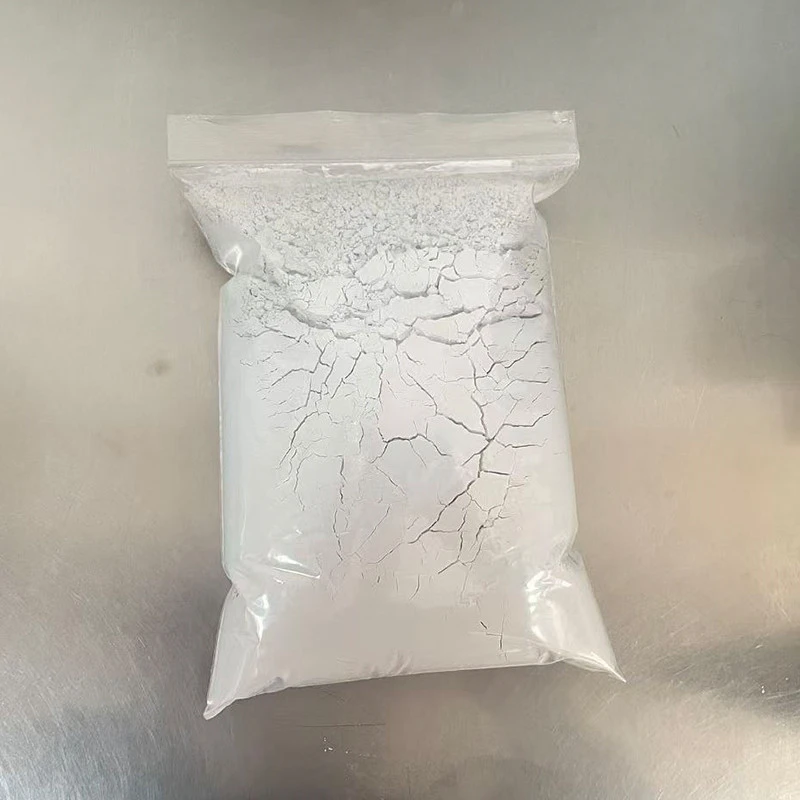
I’ve been in this business for over a decade, and the customers who come back year after year are the ones who take the time to do it right. Quick lime isn’t a magic bullet, but it’s one of the most effective tools out there for fixing acidic lawns when used correctly.
Limestone Powder References:
- University of California Agriculture and Natural Resources. Soil pH and Lawn Fertilizing.
- Penn State Extension. Lawn Lime Application: What You Need to Know.
- American Society of Agronomy. The Role of Soil pH in Nutrient Availability for Turfgrasses.
- International Society of Arboriculture. Caustic Materials and Lawn Safety for Residential Properties.
Chaohu Jirun Energy Conservation and Environmental Protection Technology Co., Ltd.
We’re well-known as one of the leading quick lime powder manufacturers and suppliers in China, also support customized service. Welcome to wholesale high quality quick lime powder in stock here from our factory. If you have any enquiry about pricelist, please feel free to email us.
Address: No. 9, north of the intersection of Weihai Road and Weili Avenue, within the industrial park of Yinping Town, Chaohu City, Hefei City, Anhui Province.
E-mail: 13305654485@163.com
WebSite: https://www.chaohujirun.com/
