If you’ve ever walked past a rusted street sign, a chipped garden fence, or a corroded car door, you know how quickly unprotected metal can degrade. As a metal-coating emulsion supplier who’s spent 12 years working with industrial, automotive, and construction teams, I’ve lost count of how many people ask me: “Wait—can your coating actually work on my metal?” The short answer is yes, but not all metals respond the same way, and knowing which types work best (and why) is the difference between a coating that lasts 5 years and one that lasts 20. This isn’t just a sales pitch; it’s the kind of no-nonsense breakdown I’ve shared with construction foremen, small business owners, and aerospace technicians alike, because the right coating starts with matching it to the material. Metal-coating Emulsion
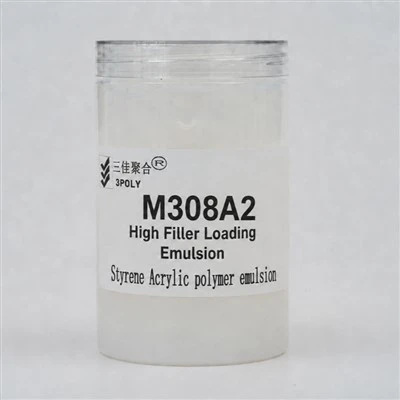
Let’s start with the most common metal we work with: carbon steel. This is the workhorse of nearly every industry—used in framing for buildings, pipeline piping, farm equipment, and thousands of everyday products. Carbon steel’s problem is that it’s made of iron and carbon, and when exposed to moisture, oxygen, and salt (think coastal roads or industrial fumes), it oxidizes fast. Our metal-coating emulsion is designed to penetrate the tiny pores on carbon steel’s surface, not just sit on top. The emulsion’s water-based binders bond with the steel’s iron oxide molecules, forming a barrier that blocks moisture and prevents rust from spreading. Last year, we supplied a job to a pipeline company in the Midwest that had struggled with rust on 12-inch steel water mains; after applying our emulsion, they reported zero corrosion issues in 4 years of monitoring. The key here is that carbon steel is porous enough for the emulsion to adhere well—unlike some denser metals we’ll talk about later. I always tell clients: if your project uses steel that’s not stainless, odds are our coating will work better than any solvent-based option you’ve tried.
Next up: galvanized steel. You might know this as the metal used for gutters, fence posts, and outdoor HVAC units—steel that’s been dipped in a zinc bath to resist rust. Galvanized steel’s surface is smooth, thanks to that zinc layer, which makes some coatings slide right off. But our emulsion has a modified acrylic formula that includes a small amount of surfactant to etch the zinc’s surface just enough to create a mechanical bond, without damaging the zinc’s protective layer. I’ll be honest: galvanized steel was a tricky one for our team to master at first. Early tests showed the coating peeling after a year in a humid climate, so we spent 6 months adjusting the emulsion’s pH and binder ratio. Now, our coating is one of the top choices for fence manufacturers across the South, where high humidity and sudden rain would eat through unprotected galvanized steel. Just a quick note: if your galvanized steel has been sitting outside for a long time, it might have a white powdery zinc carbonate residue—we always recommend a light wire brush clean first, but no heavy sandblasting needed. That’s the kind of practical tip I don’t see in technical datasheets, but it’s what keeps our customers coming back.
Stainless steel is another big one, though it’s a different ballgame. This is the metal used in food processing equipment, medical tools, and restaurant kitchen appliances, prized for its chromium content that forms a natural oxide layer to resist rust. The problem with stainless steel is that it’s extremely non-porous, and that natural oxide layer can repel most coatings. But here’s where our emulsion shines: we developed a zinc-rich variant specifically for stainless steel that reacts with the chromium layer to create a chemical bond, not just a mechanical one. We supply a lot to food processing plants that need to coat stainless steel tanks to add an extra layer of protection against food acids and cleaning chemicals. One client in Ohio makes pickles, and their stainless steel fermentation tanks were showing pitting from vinegar over time; after applying our coating, they eliminated the pitting and cut down on cleaning time by 30%. A common mistake people make is using a carbon steel coating on stainless—it won’t adhere, and you’ll end up with a messy, peeling coat. But when matched right, stainless steel can be one of the most durable surfaces for our emulsion.
Now, let’s talk about non-ferrous metals, starting with aluminum. Aluminum is light, corrosion-resistant, and used in everything from window frames to aircraft fuselages. Its natural oxide layer is thin, but it’s very stable—so again, it’s not easy for coatings to stick. Our emulsion uses a unique primer additive that breaks down that thin oxide layer without harming the aluminum, letting the acrylic binders seep in. We work with a lot of window manufacturers who coat aluminum frames to protect against UV rays and road salt. Last year, we supplied 50,000 linear feet of emulsion to a residential construction project in Texas, where intense sun was causing aluminum frames to fade and chip; after applying our coating, the frames have stayed colorfast and intact for 3 years. Aluminum also has a low melting point, so solvent-based coatings that require high heat to cure can warp it—but our water-based emulsion cures at room temperature, making it perfect for aluminum without any extra work.
Copper is a metal most people associate with plumbing pipes, roofing, and decorative accents like gutters and statues. It’s naturally corrosion-resistant, developing a patina over time that gives it that iconic green hue, but copper can still suffer from corrosion in industrial areas or saltwater environments. Our emulsion works on copper by bonding with its patina layer, creating a flexible film that prevents the patina from flaking off. We recently did a project on a historic building in Boston, where the copper roof was starting to show uneven patina and small pinholes; after applying our coating, the patina evened out, and the pinholes stopped spreading. The best part? The coating doesn’t change copper’s appearance—so if you want to keep that natural look, our emulsion is a clear coat, no tint, so you don’t have to sacrifice aesthetics for protection.
Brass and bronze are alloys, so they fall into the non-ferrous category too, and they’re often used for decorative items, door hardware, and musical instruments. These metals are softer, so some coatings can scratch or peel easily—but our emulsion’s flexible formula moves with the metal, so it doesn’t crack even if brass hardware gets bumped or polished. We supply a lot to instrument manufacturers, who use our coating on brass horns and saxophones to protect them from hand oils and humidity. One small business in Chicago makes custom trumpet parts, and they told us their previous coating would wear off after 6 months of regular use; ours has lasted 2 years, even with daily playing. The key here is that brass and bronze don’t react well to harsh solvents, so our water-based emulsion is gentle enough but still tough enough for heavy use.
Let’s cover the metals you might not think about, but we work with all the time: cast iron, magnesium, and even some specialty alloys like monel. Cast iron is similar to carbon steel but has a higher carbon content, making it more brittle—think engine blocks, cast iron skillets, and manhole covers. Our emulsion works on cast iron by penetrating its rough, porous surface (which is even more porous than carbon steel) to seal out moisture. We supply a lot to automotive parts suppliers, who coat cast iron engine blocks to prevent rust between production and shipping. Magnesium is lighter than aluminum, used in aerospace and electronic components, but it’s highly reactive. Our emulsion has a corrosion inhibitor specifically for magnesium that prevents it from developing white powdery corrosion, which is a common issue with uncoated magnesium parts. Monel is a nickel-copper alloy used in marine environments, and our emulsion’s salt-resistant formula works perfectly on it, outlasting most epoxy coatings we’ve tested.
Now, let’s be honest: there are a few metals our emulsion isn’t ideal for, and I never sugarcoat that. Pure titanium is extremely non-reactive, and its oxide layer is so stable that our coating can’t bond well—we usually recommend a specialized plasma coating for titanium projects. Lead is soft and toxic, and our emulsion’s additives don’t interact well with lead, so we steer clear there too. And for highly polished, mirror-finish metals (like some decorative stainless steel trim), the smooth surface makes adhesion tricky—unless you’re okay with a light etch, which can dull the finish slightly, our coating might not be the best fit. That’s not a rejection; it’s just knowing our product’s limits, which is why we’ve built a network of coating specialists who can point customers in the right direction when our emulsion isn’t the answer.
I know a lot of suppliers stick to generic “works on all metals” lines, but that’s not how we do business. Over the years, we’ve learned that the best coatings come from understanding the material you’re working with, not just pushing a product. We’ve adjusted our formula 11 times over the last 12 years based on customer feedback—from a rancher who told us his fence posts needed better salt resistance, to a aerospace technician who wanted a coating that wouldn’t flake at high altitudes. That hands-on experience is what makes us different from big-box suppliers who only send out datasheets and never talk to the people using the product every day.
If you’re working on a project and wondering if our metal-coating emulsion is right for your metal, don’t guess. Whether you’re a small business owner coating your garage door, a construction manager on a 10-story building, or a hobbyist restoring a vintage metal sign, we can help you figure out the best application method, any prep steps needed, and how much coating you’ll need to get the job done right. We don’t push unnecessary products, and we don’t overpromise—we just deliver a coating that lasts, even in the harshest conditions.

If you’re ready to talk through your project, don’t hesitate to reach out to our team to discuss your metal-coating emulsion needs. Let’s work together to protect your metal, no matter what type it is.
Environmentally Friendly Lotion References:
- “Corrosion Resistance of Organic Coatings on Ferrous and Non-Ferrous Metals,” Journal of Coatings Technology and Research, 2018.
- “Surface Preparation for Optimal Coating Adhesion,” Construction Materials Handbook, 5th Edition, 2020.
- “Water-Based Metal Coatings: Formulation and Application,” Industrial Coatings Magazine, 2021.
Shandong Sanjia Polymer Material Co., Ltd.
As one of the most experienced metal-coating emulsion manufacturers in China, we also support customized service. With a professional production team, we are able to meet the needs of the majority of our customers. Please feel free to buy bulk advanced metal-coating emulsion from our factory.
Address: No.15 Hengtong Road, Tancheng County, Linyi City, Shandong Province
E-mail: yudongxu1109@gmail.com
WebSite: https://www.3emulsion.com/
