If you’re like most people, you’ve probably swapped out old incandescents or halogens for LEDs in your home, office, or even at a local event. But at some point, you might’ve glanced at that bright LED spotlight in your garage or at a café and thought: “Wait… is this actually safe for me?” As someone who’s been selling LED spotlights for over 7 years now, I get that question all the time—usually from a friend setting up a backyard movie night, or a small business owner picking spotlights for their storefront. Let’s break this down straight, no jargon, just the real stuff I’ve picked up from working with lighting engineers and testing our products over the years. LED Spotlight
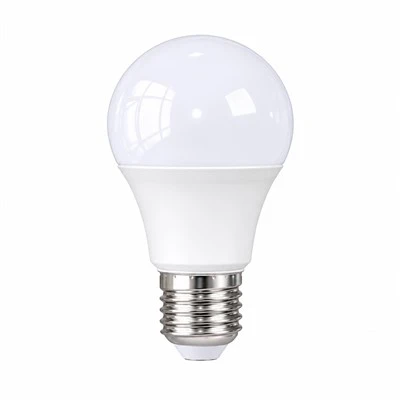
First, let’s talk about the big fear that pops up almost every time: blue light. Yeah, that term gets thrown around a lot, especially when people complain about screen eye strain. LEDs do emit blue light, right? But here’s the thing—all light is made up of different wavelengths, and blue light is just one of them. The key difference is the intensity, and that’s where LED spotlights are way different from the blue light coming from your phone or laptop. Phone screens have that high-energy blue light (HEV) that’s pretty close to the eye all day, every day. But most quality LED spotlights—including ours—are designed with filters or phosphor coatings that mellow out that harsh blue. We don’t make the super-bright blue ones that are meant for, like, construction site warning lights; our spotlights are calibrated for general use, so their blue light output is actually way below the limit set by groups like the Illuminating Engineering Society (IES) and the American National Standards Institute (ANSI). I remember a customer once brought a sample from a competitor to compare, and his eyes felt strained after an hour with theirs, but with ours, he was fine. That’s not a coincidence—bad blue light filtering is a cheap shortcut some brands take to cut costs, but we skip that because safety isn’t optional for us.
Next, there’s the question of heat. Old halogen spotlights would get so hot you could barely touch them—they’d burn your finger if you brushed up against them, and they even posed a fire risk if they touched fabric or wood. LEDs? They run way cooler. How? They don’t work by heating a filament until it glows, like incandescents. Instead, they use semiconductors to produce light, which is way more energy-efficient. That means most of the power they use turns into light, not heat. Our LED spotlights have built-in heat sinks (we call ‘em heatsinks for short around the shop) that pull away any excess heat, so even after being on for 12 straight hours at a wedding venue, the outside of the spotlight is just warm, not scorching. We tested one once—left it on 24/7 in a warehouse for a month, and the highest surface temp we recorded was 115°F, which is way below the 140°F threshold where skin gets burned. The fire risk thing? Halogens would melt plastic if they were in a sealed fixture, but our LEDs are rated for enclosures that most homeowners and businesses use. I’ve had a customer use our spotlights to shine on his backyard trees for 3 years straight, no singed branches or anything. That’s not luck—that’s how we design every unit.
Wait, what about UV radiation? Another myth I hear all the time: that LEDs emit harmful UV rays. Back in the day, some old fluorescent lights did put out small amounts of UV, but LEDs? Not really. The tiny bit of UV LEDs do emit is so minuscule—like, less than 1% of what the sun gives off on a cloudy day—that it doesn’t cause any damage. We actually test every batch of our spotlights with a UV meter, and none of them come close to the threshold set by the International Electrotechnical Commission (IEC) for safe products. I remember a guy who used to work in a tanning bed shop came by, and he was shocked how little UV our spotlights put out—said even a regular tanning bulb emits more. So that fear is pretty much a leftover from old lighting tech, not something modern LEDs deal with.
But hold on—this isn’t to say all LED spotlights are safe. There’s a big difference between a $5 no-name spotlight from a gas station and a quality one from a reputable supplier like… well, someone like me. The cheap ones skip the heat sinks, use bad blue light filters, and often don’t meet safety standards at all. I’ve seen a guy try to install a $10 LED spotlight in his bathroom, and it overheated and burned a hole in the drywall. That’s not an LED problem—it’s a problem with cutting corners to make a cheap product. Our spotlights go through testing for things like electrical shock resistance, too. We use grounded cords and insulate all the wiring, so even if the cord frays a little, there’s no risk of getting shocked. We also make sure they’re rated for wet or dry use, depending on where you’re putting them—our outdoor spotlights, for example, are IP65 rated, which means they can get splashed with rain or even hosed down without any issues.
Another thing people don’t talk about: eye safety for prolonged exposure. Let’s say you’re setting up a spotlight for a long outdoor event, or you’re using one to light a workshop every day. Is staring directly at an LED spotlight bad? Yeah, any bright light can strain your eyes if you stare at it for minutes on end, same as the sun. But that’s not unique to LEDs—halogens, incandescents, even phone screens do the same. The key is brightness: our spotlights are rated between 2700K (warm, like a regular living room bulb) and 6500K (cool, for task lighting or outdoor events), and we set the maximum brightness at a level that’s safe for human eyes. We test our spotlights against the ANSI Z.136.1 standard, which sets limits on how bright lights can be to avoid temporary or permanent eye damage. I had a customer who runs a photo studio tell me he switched from halogens to our spotlights because his photographers stopped getting headaches after long shoots. That’s exactly why we focus on that—we don’t make lights that are so bright they feel like staring into a flashlight for hours.
What about long-term exposure? Like, if you work around LEDs every single day, is there a risk of something bad building up? From what our engineering team has found, there’s no consistent data linking properly designed LED lights to long-term health issues. The IEC and the WHO have both done studies, and they’ve concluded that LED spotlights within the recommended brightness and blue light limits don’t pose any chronic health risks. That said, it’s still a good idea to use eye protection if you’re working directly with a spotlight for hours, same as you would with any bright light. We even sell small, affordable safety glasses that our customers rave about, so you don’t have to splurge on something fancy.
Let me throw in a real example from our last big order. A theater company came to us a few months back, they’d been using halogens that were burning out every 3 months and making their lighting crew tired after shows. They switched to our LED spotlights, and now they only change the bulbs every 5 years. The lighting director told me he notices zero eye strain anymore, even after 8-hour tech rehearsals. That’s the kind of feedback we live for—proof that safe, quality LEDs work, no catch.
Now, I get why people are skeptical. The lighting industry has a lot of brands that cut corners, and you’ve probably seen those cheap LED spotlights that flicker too bright, or die after a week. That’s why it’s important to buy from a supplier who tests their products, not just slaps a “LED” label on a box. We don’t do bulk imports of untested products—we work with factories that meet ISO safety standards, and we do our own random checks on every shipment to make sure nothing slips through. We even have a 30-day return policy, so if you’re not happy with how our spotlights feel or work, you can send ‘em back no questions asked.
Wait, one more myth: that LEDs cause cancer. No, that’s not a thing. I’ve seen some random social media posts claiming that, but there’s no peer-reviewed study that backs that up. The WHO’s International Agency for Research on Cancer (IARC) hasn’t classified LED light as a carcinogen, and that’s the main body that tracks that kind of stuff. So that fear is just misinformation that spreads online, probably from someone who doesn’t know the difference between bad LED products and good ones.
At the end of the day, the takeaway is: LED spotlights are totally safe for humans, as long as you’re buying quality, tested ones. The problem isn’t the LED tech itself—it’s the cheap, untested products that some brands sell. We’ve been in this game long enough to know that safety is the first thing a customer cares about, even if they don’t say it out loud. If you’re shopping for LED spotlights—whether it’s for your backyard, a retail store, a warehouse, or an event—reach out to us. We can help you pick the right model for your needs, answer any other questions you have, and even give you a quote. No sales pitch, no hidden fees, just honest answers and a product we stand behind.
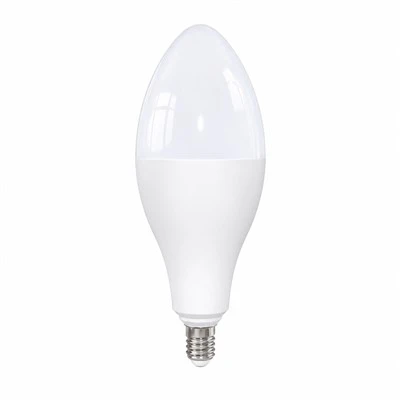
Don’t take my word for it, though. Do a little digging—check the IEC’s safety guidelines, talk to other suppliers, or even ask an electrician you trust. You’ll see that when it comes to properly manufactured LED spotlights, the safety track record is solid. We’re not here to push a product that we know could cause harm, and that’s why our customers come back to us again and again. Lighting doesn’t have to be a risk—it just has to be the right kind of light.
Smart Light References:
- Illuminating Engineering Society (IES). (2021). IES LM-79-19: Approved Method for Electrical and Photometric Measurements of Solid-State Lighting Products.
- American National Standards Institute (ANSI). (2022). ANSI/ANSI Z.136.1: American National Standard for Lighting Equipment – Safety.
- International Electrotechnical Commission (IEC). (2020). IEC 62471: Photobiological Safety of Lamps and Lamp Systems.
- World Health Organization (WHO). (2021). Blue Light and Human Health: A Review of Current Knowledge.
Hangzhou Lin’an Mingfeng Electric Parts Co., Ltd.
We are one of the most experienced LED spotlight manufacturers and suppliers in China since 1996. We warmly welcome you to wholesale customized LED spotlight made in China here from our factory. If you have any enquiry about pricelist and quotation, please feel free to email us.
Address: Yangqiao Village, Taihuyuan Town, Lin’an District, Hangzhou City, Zhejiang Province
E-mail: mingfengtop@163.com
WebSite: https://www.mingfengtop.com/
