Floods are one of the most devastating natural disasters that can strike a property. They can cause significant damage to buildings, contents, and the surrounding environment. One of the most effective ways to protect your property from floodwaters is by using flood control sandbags. As a flood control sandbags supplier, I often get asked the question, "How many flood control sandbags do I need for my property?" In this blog post, I will provide you with some guidelines to help you determine the number of sandbags you need to protect your property. Flood Control Sandbags
Understanding the Basics of Flood Control Sandbags
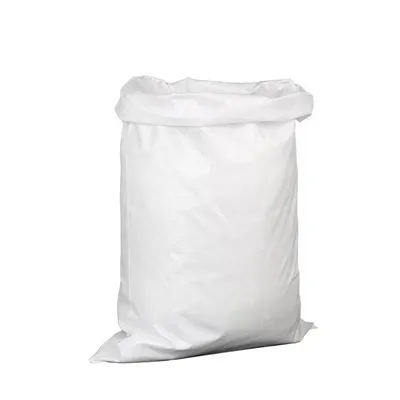
Before we dive into the calculations, it’s important to understand the basics of flood control sandbags. Sandbags are typically made of burlap or polypropylene and are filled with sand or other granular materials. They are used to create a barrier that can divert or contain floodwaters. When properly stacked, sandbags can provide a temporary flood protection solution.
The effectiveness of sandbags depends on several factors, including the height and length of the floodwall, the type of soil, and the velocity of the floodwaters. It’s important to note that sandbags are not a permanent solution and should be used in conjunction with other flood protection measures, such as flood barriers and pumps.
Factors to Consider When Determining the Number of Sandbags
The number of sandbags you need for your property depends on several factors, including the size of your property, the height of the floodwaters, and the type of flood protection you need. Here are some factors to consider when determining the number of sandbags you need:
- Property Size: The larger your property, the more sandbags you will need to protect it. Measure the perimeter of your property to determine the length of the floodwall you need to build.
- Floodwater Height: The height of the floodwaters will determine the number of sandbags you need to stack. As a general rule, you should stack sandbags in a pyramid shape, with each layer offset from the one below it. The height of the floodwall should be at least one-third higher than the expected floodwater level.
- Flood Protection Type: There are two main types of flood protection: diversion and containment. Diversion involves redirecting floodwaters away from your property, while containment involves holding back floodwaters. The type of flood protection you need will depend on the location of your property and the severity of the flood.
- Soil Type: The type of soil on your property can affect the effectiveness of sandbags. Sandy soil is more porous and may require more sandbags to create a stable floodwall. Clay soil is more compact and may require fewer sandbags.
Calculating the Number of Sandbags
Once you have considered the factors above, you can calculate the number of sandbags you need for your property. Here’s a step-by-step guide to help you calculate the number of sandbags:
- Measure the Length of the Floodwall: Measure the length of the floodwall you need to build. This will depend on the perimeter of your property and the type of flood protection you need.
- Determine the Height of the Floodwall: Determine the height of the floodwall you need to build. This will depend on the expected floodwater level and the type of flood protection you need.
- Calculate the Volume of the Floodwall: Calculate the volume of the floodwall by multiplying the length, height, and width of the floodwall. The width of the floodwall should be at least two times the height.
- Determine the Volume of a Single Sandbag: Determine the volume of a single sandbag by multiplying the length, width, and height of the sandbag. The volume of a standard sandbag is approximately 0.5 cubic feet.
- Divide the Volume of the Floodwall by the Volume of a Single Sandbag: Divide the volume of the floodwall by the volume of a single sandbag to determine the number of sandbags you need. Round up to the nearest whole number.
Here’s an example calculation:
- Length of the Floodwall: 100 feet
- Height of the Floodwall: 3 feet
- Width of the Floodwall: 6 feet
- Volume of the Floodwall: 100 x 3 x 6 = 1,800 cubic feet
- Volume of a Single Sandbag: 0.5 cubic feet
- Number of Sandbags Needed: 1,800 / 0.5 = 3,600 sandbags
Tips for Using Flood Control Sandbags
Here are some tips for using flood control sandbags effectively:
- Use High-Quality Sandbags: Make sure you use high-quality sandbags that are made of durable materials. Burlap sandbags are a popular choice, but they can deteriorate quickly in wet conditions. Polypropylene sandbags are more durable and can last longer.
- Fill the Sandbags Properly: Fill the sandbags with sand or other granular materials to about two-thirds full. This will make the sandbags easier to handle and stack.
- Stack the Sandbags Correctly: Stack the sandbags in a pyramid shape, with each layer offset from the one below it. This will create a stable floodwall that can withstand the pressure of the floodwaters.
- Seal the Sandbags: Seal the sandbags with a tie or a clip to prevent the sand from spilling out.
- Inspect the Sandbags Regularly: Inspect the sandbags regularly to make sure they are still in good condition. Replace any damaged or leaking sandbags immediately.
Conclusion
Determining the number of flood control sandbags you need for your property can be a challenging task. However, by considering the factors above and following the tips provided, you can calculate the number of sandbags you need and use them effectively to protect your property from floodwaters.
Construction Waste Bags If you have any questions or need further assistance, please don’t hesitate to contact us. We are a leading supplier of flood control sandbags and can provide you with high-quality products and expert advice. Let’s work together to protect your property from floods.
References
- Federal Emergency Management Agency (FEMA). (2023). Flood Protection Measures.
- National Oceanic and Atmospheric Administration (NOAA). (2023). Flooding Basics.
- United States Army Corps of Engineers (USACE). (2023). Flood Control and Coastal Emergency Preparedness.
Liaoning Xunlian Packaging Products Co., Ltd.
Liaoning Xunlian Packaging Products Co., Ltd. is one of the most professional flood control sandbags manufacturers and suppliers in China, featured by quality products and good service. Welcome to wholesale CE approved flood control sandbags made in China here and get quotation from our factory. Customized orders are welcome.
Address: Chaoyang Industrial Park, Kangping, Shenyang, Liaoning, China.
E-mail: info@xunlianpack.com
WebSite: https://www.xunlianpack.com/
