Hey everyone, let’s talk about something that’s super important for mechanical water meters but often flies under the radar—water meter couplings. As someone who’s been supplying mechanical water meters for years, I can’t tell you how many times customers ask, “Wait, what’s that little connector thing that comes with the meter?” Spoiler: it’s the coupling, and without it, your water meter is basically just a fancy paperweight sitting on your pipe. Mechanical Water Meter

First off, let’s break down what a mechanical water meter even is, just to set the scene. Unlike fancy smart meters that send data to your phone, mechanical meters work with gears, pistons, or a spinning wheel inside that moves as water flows through. The rotation translates to the number on the display you read every month. To get that meter connected to your actual plumbing, you need a way to link the meter’s inlet and outlet ports to your pipes— that’s exactly where the coupling comes in. It’s the middleman that bridges the gap between the meter and your existing pipe system.
Now, let’s get into the nitty-gritty of what a water meter coupling actually does. For mechanical meters, couplings aren’t just random adapters—they’re built to handle specific pressure levels, pipe sizes, and even the physical weight of the meter. Think about it: a mechanical meter can weigh anywhere from a few pounds for a residential unit to 20+ pounds for a commercial one. If you don’t use a coupling that’s designed to hold that weight, you’re putting stress on the pipe threads or the meter’s ports. Over time, that stress can cause leaks, misalignment, or even break the meter’s internal parts—no one wants a surprise water bill because of a leak, right?
Another big job for couplings is creating a watertight seal. Even if the threads on your pipes and the meter line up perfectly, if there’s a tiny gap between them, water will seep out. Most couplings come with rubber gaskets or O-rings that compress when you tighten them, blocking any gaps. For mechanical meters, this seal is extra important because if water gets inside the area where the gears spin, it can gunk up the works and make the meter give wrong readings. We’ve seen that happen a few times with customers who tried to skip the proper coupling and use old washers instead—their meters were off by 10% or more, costing them hundreds extra in a year.
Wait, but not all couplings are the same, right? That’s a question we get all the time. For mechanical meters, there are two main types: compression couplings and threaded couplings. Let’s keep it simple. Threaded couplings are the classic ones—they have external or internal threads that screw right onto your pipe and the meter. They’re durable, great for high-pressure systems, and perfect for residential setups that have standard pipe sizes. Compression couplings, on the other hand, don’t need threads. You just slide them onto the pipe, tighten a nut, and the compression creates the seal. These are super handy if you’re working with copper or PVC pipes that don’t have threads cut on them, which is pretty common in newer construction.
We also sell specialty couplings for commercial or industrial mechanical meters. Those are bigger, made from tougher materials like brass or cast iron (instead of the plastic some residential couplings use), and they can handle way higher flow rates. If you’re outfitting a factory or an apartment building, using a regular residential coupling would be a disaster—they’d rust, leak, or break under the constant heavy use.
Now, let’s talk about why choosing the right coupling matters so much for mechanical meters specifically, not just any meter. Smart meters might have more tech, but mechanical ones rely on precise alignment. If the coupling is too loose, the meter can shift side to side, and the spinning wheel or piston inside might not line up correctly with the gear mechanism. That leads to inaccurate readings, which is a headache for both you and the water utility. We once had a restaurant client who used the wrong coupling; their meter was reading 15% lower than actual usage, and by the time they noticed, they owed $1,200 in back water bills. Ouch.
Also, compatibility is key. You can’t just grab any coupling and stick it on your mechanical meter. Make sure the coupling’s size matches your pipe size and the meter’s port size. Most residential meters are either ½ inch or ¾ inch, so you’ll need a coupling that fits those. Commercial meters are usually 1 inch or larger, so double-check before you buy. Another thing: material. If your pipes are made of galvanized steel, a brass coupling is a safe bet because it doesn’t react with steel and won’t corrode. If you have PVC pipes, a plastic or CPVC coupling will work best to avoid mixing metal and plastic that could cause leaks over time.
Let’s also clear up a common misconception: some people think they can skip the coupling and use a pipe reducer or adapter instead. Yeah, you can technically connect the meter to the pipe with a reducer, but it’s not designed to handle the meter’s weight or create a proper, long-lasting seal. Couplings are made exactly for that specific connection—they’re shorter, sturdier, and have the right features to keep your meter running smoothly. Cutting corners here will only lead to more work later when you have to fix a leak or a broken meter.
From a supplier’s perspective, I can tell you that we always include the right coupling with every mechanical meter we sell for residential customers. For commercial orders, we work closely with plumbers to make sure we get the exact coupling they need, because we know how big of a difference it makes. We’ve had plumbers tell us that using our couplings cuts their installation time in half compared to cheap, no-name couplings they’ve used before—no fighting with threads, no redoing seals, just a tight, secure fit.
So, what should you look for when buying a coupling for your mechanical water meter? Let’s list it out quick: 1) Correct size: match to your pipe and meter ports. 2) Material: match to your pipes (brass for steel, plastic for PVC, etc.). 3) Type: threaded for old pipes, compression for new PVC/copper. 4) Durability: skip the super cheap plastic ones if you’re in a cold climate—they can crack when temperatures drop and pipes expand.
Wait, cold climates! That’s another thing. If you’re in an area where it freezes, a good coupling is non-negotiable. When water freezes inside pipes, it expands, and a weak coupling will split, letting water out. We had a customer in Minnesota last winter who used a thin plastic coupling, and it split overnight. By the time they found it, their basement had 2 feet of water and they needed a new meter plus thousands in repairs. That’s not a story we want anyone to go through, which is why we offer frost-resistant couplings for cold regions—made from thicker material that can handle the pressure of freezing water.
At the end of the day, a water meter coupling might seem like a tiny, boring part, but it’s the unsung hero of your mechanical water meter. Without it, your meter won’t work right, you’ll get inaccurate bills, or worse, you’ll have a leak that turns into a huge mess. Whether you’re a homeowner replacing a meter, a plumber installing a new system, or a business outfitting a building, getting the right coupling is as important as getting the meter itself.
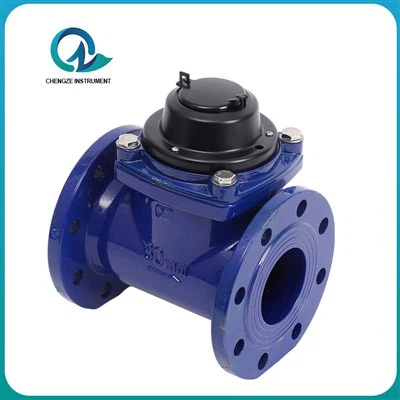
If you’re not sure which coupling you need for your mechanical water meter, don’t guess! We’re here to help. Just reach out, tell us your meter type, pipe size, and where you’re located, and we’ll point you to exactly what you need. No jargon, no hidden fees, just straight-up advice from people who know mechanical water meters inside and out.
Smart IC Card Water Meter References
- American Water Works Association. (2020). Meters and Meter Accessories for Residential and Commercial Use. AWWA Standard C700.
- Plumber’s Toolbox Guide. (2022). Essential Components for Water Meter Installation. National Association of Plumbing-Heating-Cooling Contractors.
- International Residential Code. (2021). Pipe Fittings and Couplings Specifications for Potable Water Systems. ICC Publishing.
Shandong Chengze Instrument Co., Ltd.
We’re well-known as one of the leading mechanical water meter manufacturers and suppliers in China, featured by quality products and good service. Please rest assured to buy high-grade mechanical water meter for sale here from our factory. Also, customized service is available.
Address: No.7, Wensi Road North Industrial Park, Liguan Town, Lanshan District, Linyi City, Shandong Province, China
E-mail: czwatermeter@163.com
WebSite: https://www.cz-watermeter.com/
