If you’re a processing plant manager, maintenance supervisor, or equipment operator who relies on rotary lobe pumps for your daily operations, there’s probably been a day when you’ve checked your control panel only to see the system pressure you depend on has dropped unexpectedly. I’ve been in the rotary lobe pump supply industry for 12 years, working directly with clients across food and beverage, pharmaceutical, wastewater treatment, and chemical processing, and this is one of the most common, yet most frustrating, issues I get called about. It’s not a “one-size-fits-all” problem—pressure drop in a rotary lobe pump can stem from everything from small, overlooked maintenance issues to misapplication of the pump for your specific fluid. Today, I’m breaking down the most common causes, what you can do to troubleshoot, and how to prevent pressure loss before it brings your process to a halt. Rotary Lobe Pump
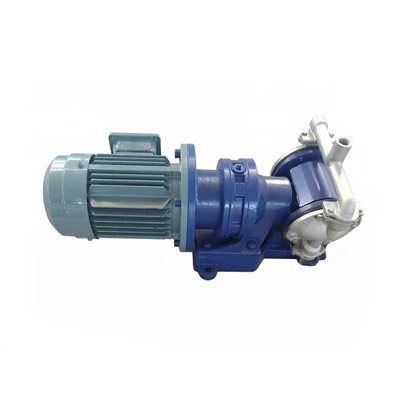
First, let’s ground ourselves in how a rotary lobe pump works, because misunderstanding its core function is the root of a lot of pressure-related mistakes. Unlike centrifugal pumps, which use velocity to move fluid, rotary lobe pumps are positive displacement (PD) pumps: two opposing lobes rotate inside a housing, creating a fixed volume of fluid that’s trapped between the lobes and the pump casing, then pushed from the inlet to the outlet. Pressure in this system comes from the pump’s ability to seal that fluid volume between the lobes and the casing—any leak in that seal directly translates to a drop in discharge pressure. That’s why so many pressure issues trace back to seal integrity, even if they seem unrelated at first.
The most frequent cause of unexpected pressure drops is worn or damaged internal components, especially the lobes themselves and the casing’s sealing surfaces. Over time, even with routine maintenance, the rubber or composite coatings on lobes (or the metal lobes in heavy-duty models) can erode from abrasive fluids, or develop small cracks when handling high-viscosity slurries or chemicals that break down the lobe material. For example, I worked with a craft brewery in Ohio last year that had a consistent 15 psi pressure drop when transferring wort to fermentation tanks. Their maintenance team had skipped lobe inspections for 8 months, and when we pulled the pump apart, the lobes were so worn that the gap between the lobe tips and the casing had widened from the manufacturer’s recommended 0.005 inches to nearly 0.030 inches. That extra gap let fluid leak back from the high-pressure outlet side to the low-pressure inlet side, essentially short-circuiting the pump’s ability to build pressure. It wasn’t a major component failure—just normal wear, but enough to lose 15 psi that was critical for their transfer consistency.
Casing wear is another big one. The pump’s housing, especially in areas where the lobes make contact or where high-velocity fluid passes, can develop grooving or pitting from abrasive fluids like wastewater sludge or mineral-rich slurries. I also see this in food processing facilities that pump tomato puree or fruit pulp: the high sugar and acid content in those products can corrode the casing over time, even in stainless steel models. Corrosion creates uneven surfaces that break the tight seal between the lobes and the casing, leading to internal recirculation that lowers discharge pressure. What’s tricky about casing wear is that it often develops slowly, so you might not notice a pressure drop until it’s significant—by the time operators check the pressure, the gap has widened enough that the pump is no longer operating at its rated capacity.
Next, let’s talk about installation and alignment issues, which are completely avoidable but super common. Rotary lobe pumps rely on perfect alignment between the pump shaft and the driver (motor, gearbox, etc.) to keep the lobes rotating in sync. If the alignment is off—even just a few thousandths of an inch—one or both lobes might not seat properly against the casing or against each other. This creates a larger than intended gap that lets fluid leak back, dropping pressure. Last quarter, a chemical processing plant in Texas called me because their 50 gpm pump was only putting out 30 gpm at half its normal pressure. When our service team arrived, we found the motor was misaligned by 0.02 inches, which is enough to throw lobe timing off by a few degrees. Fixing the alignment reset the lobe seal, and pressure returned to its original level in minutes.
I also see pressure drops from improper piping connections. Many operators underestimate the importance of matching inlet and outlet piping size to the pump’s rated specifications. If the inlet pipe is too small, it creates a vacuum at the pump’s inlet, which can cause cavitation—bubbles forming and collapsing inside the pump— that damages lobes and casing over time. Cavitation doesn’t just hurt component life; it creates internal turbulence that reduces the pump’s ability to build pressure. On the flip side, if the outlet pipe is too large, the system can’t build the back pressure the pump is designed to handle, leading to consistent low pressure. Another piping mistake: loose joints or cracked pipework on the suction side. Air leaking into the suction line can create air locks, which prevent the pump from drawing fluid properly, resulting in low or no discharge pressure. A dairy client in Wisconsin dealt with this for weeks before we checked their suction piping— a loose gasket on the inlet had let air in, so the pump was pumping a mix of milk and air, making the pressure gauge bounce between 20 psi and 40 psi. Tightening the gasket fixed the pressure immediately.
Then there’s the issue of fluid viscosity and pump misapplication. Rotary lobe pumps are designed to handle a specific range of fluid viscosities, and when you use a pump rated for low viscosity on a high-viscosity fluid, you’ll almost always see a pressure drop. Let’s say you have a pump rated for water (1 cP) and try to pump molasses (10,000 cP). The pump’s lobe design is optimized for thin fluid, so the lobes won’t move the high-viscosity material efficiently, leading to lower discharge pressure. Conversely, using a high-viscosity pump on a thin fluid like water can also cause problems— the tighter clearances designed for thick fluid can lead to higher friction and pressure loss, or even excessive wear. I’ve had clients swap out their standard lobe pumps for high-viscosity models when upgrading their operations, not realizing they adjusted the system pressure requirements, and ended up with pumps that couldn’t build enough pressure for their downstream equipment. Another fluid-related issue: entrained air or solids in the fluid. If the fluid you’re pumping has too many air bubbles or foreign solids, those can get trapped between the lobes, preventing them from sealing tightly. The solids can also act like abrasives, wearing down lobe and casing surfaces over time, while air reduces the fluid’s density, making it harder to build pressure.
Don’t overlook valve and system-related issues either. Pressure drops often aren’t even coming from the pump itself—they’re from the rest of the process system. If the outlet valve (a gate valve, ball valve, or check valve) is partially closed, that restricts flow, which lowers discharge pressure. I’ve seen operators adjust valves to limit flow without realizing it impacts the pump’s pressure, leading to unnecessary calls for pump repairs. Check valves are especially problematic: if a check valve’s disc is worn or stuck open, it can create backflow that reduces the pump’s discharge pressure. Another common issue: relief valve malfunction. Most rotary lobe pumps have a built-in relief valve to protect against overpressure, and if that valve is set too low, or if it’s stuck open from debris, it will release fluid back to the inlet, dropping discharge pressure. A wastewater treatment plant in Michigan had this happen during a peak sludge transfer last winter— their relief valve had accumulated sediment, so it opened early, leading to a 25 psi pressure drop that almost delayed a critical treatment process. Flushing the relief valve fixed the issue, and we adjusted the set point to match their peak pressure requirements so it wouldn’t happen again.
Now, the big question: how do you troubleshoot and fix a pressure drop without wasting time and money? First, start with the basics before pulling the pump apart. Check your pressure gauge to make sure it’s calibrated— old gauges can give false low pressure readings. Then, inspect the piping: look for loose connections, leaks, or incorrect sizing on the suction side. Test for cavitation by checking for noise from the pump (a loud, rumbling noise is a common cavitation sign) and examining lobe surfaces once the pump is disassembled. If piping checks out, verify shaft alignment with a laser alignment tool— this is a cheap, quick check that can solve alignment-related pressure drops in minutes. If those basics don’t work, pull the pump apart to inspect the lobes and casing. Measure the gap between the lobe tips and the casing—compare it to the manufacturer’s specs (usually 0.003 to 0.007 inches for most standard models). If the gap is too large, you’ll need to resurface lobes or replace them, or resurface the casing. For casing wear, if the grooving is minor, you can often machine the casing to restore the original surface, but if the wear is deep, full casing replacement is necessary.
Preventing pressure drops in the first place is even better than troubleshooting them. Stick to a consistent maintenance schedule: inspect lobes and casing every 500 operating hours (or every 6 months, whichever comes first), and replace worn components before they cause pressure loss. Use the right pump for your fluid: if you’re working with high-viscosity fluids or abrasive slurries, opt for heavy-duty lobes with hardened coatings or metal lobes, and make sure your pump’s rated viscosity range matches your process fluid. Keep your system components in check: calibrate pressure gauges annually, flush relief valves quarterly to prevent debris buildup, and check valves for wear during pump overhauls. Also, train your operators to recognize early signs of pressure loss—unusual pump noise, inconsistent flow rates, or pressure gauge fluctuations— so you can address small issues before they turn into major breakdowns.

Over my 12 years in this industry, I’ve learned that most rotary lobe pump pressure drops aren’t catastrophic failures—they’re the result of small, avoidable oversights. Whether it’s a misaligned shaft, a worn lobe, or a loose suction gasket, taking the time to troubleshoot systematically (starting with the simple, low-cost checks) will save you from unnecessary repairs, downtime, and lost production. If you’re dealing with persistent pressure drops that you can’t identify, or if you’re looking to upgrade your pump system to prevent future issues, our team has the expertise to help. We work with operations of all sizes to match you with the right rotary lobe pump, provide maintenance support, and troubleshoot on-site to get your process back to full pressure quickly. Reach out to our team to discuss your requirements and find the solution that works for your operation.
Gear Pump References:
- Pump Handbook, 4th Edition, Karassik, I.J., et al., McGraw-Hill Professional, 2007
- Positive Displacement Pump Application and Maintenance Guidelines, Hydraulic Institute, 2016
- Rotary Lobe Pump Design and Performance Specifications, American Society of Mechanical Engineers (ASME) B73.3M-2014
- Handbook of Food and Beverage Process Pumps, Elsevier, 2019
- Wastewater Pump System Maintenance Best Practices, Water Environment Federation (WEF), 2020
Botou Hengyang Pump & Valve Co., Ltd.
With abundant experience, we are one of the most professional rotary lobe pump manufacturers and suppliers in China. Please feel free to buy high standard rotary lobe pump made in China here and get pricelist from our factory. All customized pumps are with high quality and competitive price.
Address: No. 159, Road 1, Development Zone, Botou City, Cangzhou, Hebei Province, China
E-mail: bthdbf@163.com
WebSite: https://www.hyoilp.com/
