If you’ve ever spent time in a busy warehouse, you know that order picker forklifts are the workhorses that keep inventory moving and orders filled on time. As a supplier of order pickers, I’ve spent years walking alongside warehouse managers and operators, answering questions, and watching both new and seasoned teams navigate these machines through tight aisles, high shelves, and crowded picking zones. I’ve seen what happens when safety protocols fall short—near-misses, damaged inventory, and worst of all, injuries that keep good people off the job. That’s why I’m writing this post: not as a corporate sales rep, but as someone who’s worked hands-on with these machines, to break down how to operate an order picker forklift safely, the steps that aren’t just rules on a page, but habits that keep everyone home at the end of the shift. Order Pickers
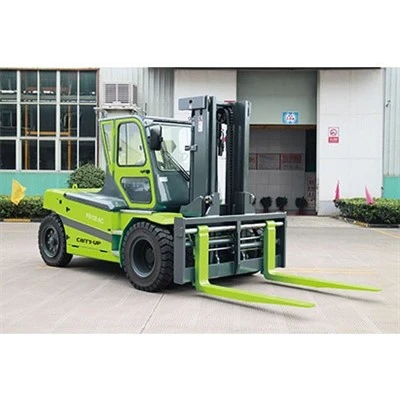
First, let’s get one thing straight: an order picker isn’t a standard forklift. Sure, they’re both industrial lift trucks, but order pickers are built for a very specific job—picking individual items from high racks, often at heights of 20 feet or more. Unlike counterbalance forklifts that lift heavy pallets at ground level, order pickers have a small operator platform that rises with you, meaning your center of gravity shifts dramatically as you move up. That’s a key difference that trips up so many new operators, and it’s the foundation of all safety for these machines.
Let’s start before you even turn the key. I can’t tell you how many times I’ve watched a new operator hop on an order picker, grab the controls, and start moving without a second thought for pre-operation checks. This isn’t just a box-ticking exercise; it’s the single most important part of preventing breakdowns or accidents mid-pick. I learned this early on, when a seasoned operator named Ray showed me a pre-shift check that caught a worn brake line on a picker he’d used every day for three years. “It’s not about distrusting the machine,” he told me. “It’s about trusting that you checked it so it doesn’t fail when you’re 25 feet up.”
So what does a proper pre-operation check for an order picker look like, specifically? First, walk around the entire machine. Check the tires for cuts, punctures, or uneven wear—small rocks or broken pallet wood can puncture a tire mid-shift, sending you lurching to the side. Next, test the brakes: press both the service brake and the parking brake firmly, and make sure they engage smoothly and don’t feel spongy. Since order pickers move at slower speeds than standard forklifts, brakes can be easy to overlook, but they’re even more critical when you’re on an elevated platform.
Then, check the operator platform. It might sound silly, but I’ve seen operators trip over a loose floorboard on the platform, or slip on wet fluid that pooled in the corners during the night. Make sure the non-slip mats are secure, the guardrails are tight (loose guardrails are a huge fall risk, especially when reaching for items on a high shelf), and the entry points are free of debris. Don’t forget to check the controls: test the lift function, the drive control, and any auxiliary buttons (like horn or emergency stop) to make sure they respond as they should. And finally, check the overhead guard and the mast—make sure there are no loose bolts, dents, or damage that could fall on you while you’re elevated.
Once you’ve completed the pre-operation check, it’s time to get on the machine—but here’s another rule I see broken all the time: never get on or off a moving order picker. Even at the slowest walking speed, a small bump or sudden movement can throw you off balance. Always bring the machine to a complete stop, engage the parking brake, and set the lift platform all the way down to ground level before stepping on or off. That extra 10 seconds is worth it to avoid a fall that could keep you out for weeks.
Now, the part most people focus on: operating the machine. But with order pickers, how you move is almost as important as what you pick. First, never exceed the maximum load capacity. I know, it seems obvious, but every order picker has a load rating, and that rating isn’t just for the pallet you’re lifting—it’s for when you’re elevated. When your platform rises, the center of gravity shifts backward, so the load rating drops significantly at higher heights. For example, a picker rated for 3,000 pounds at ground level might only be rated for 1,500 pounds when you’re 20 feet up. Always check the load capacity chart on the machine, and never exceed it. And when you’re picking, make sure the load is balanced—don’t stack items unevenly, and never pick more than you can safely carry on the forks. An unbalanced load can shift when you move, tipping the machine or sending items crashing down.
Next, speed. Order pickers are designed to move at speeds that keep you in control, but it’s tempting to rush through a long aisle. But remember: you’re on an elevated platform, so your line of sight is higher, but you’re also more exposed. Most warehouse order picker aisles have speed limits—usually 3 to 5 miles per hour, sometimes slower in areas with high foot traffic. Always stay under that limit, and slow down even more when you’re turning, approaching cross aisles, or moving around a cluster of pallets. I’ve seen a picker operator run into a warehouse associate because he was moving too fast around a corner—at that height, even a small collision can be devastating.
Speaking of line of sight: always face the direction you’re moving. It might seem easier to pick while moving sideways, but that drastically reduces your ability to see obstacles, other workers, or pallet drops. Some newer order pickers have side-view cameras, but that’s not a replacement for actually looking where you’re going. If you need to check a shelf that’s to your left, stop the machine, adjust your position, and then proceed slowly. And for the love of safety, never use your cell phone while operating an order picker. I know how easy it is to glance at a text between picks, but even a 2-second distraction can lead to a missed obstacle or a miscalculation when lifting a load.
Now, the part that makes order pickers unique: operating on the elevated platform. This is where most accidents happen, by far. First, never stand or step on the guardrails or the edge of the platform. The platform is sized for one operator, so make sure you have both feet firmly on the non-slip mat at all times. When reaching for an item on a high shelf, don’t stretch beyond your arm’s length. I call this the “no-stretch rule”: if you have to fully extend your arm to reach an item, adjust the machine’s position slightly, or lower the platform a foot or two, so you can reach comfortably without leaning. Leaning too far to one side shifts your center of gravity, and if you lose your balance, there’s no quick way to correct it—you could fall right off the platform.
Also, never lift or lower the platform while you’re moving. Wait until the machine is completely stopped, with the parking brake engaged, to adjust the height. Moving and lifting at the same time not only strains the machine’s mast, but it also makes the machine less stable, especially when the platform is high. Another common mistake here is reaching for items that are too high. Shelves that require a ladder are meant for ladders, not order pickers—climbing onto the forks or the platform edge to reach a top shelf is a surefire way to have a fall. If a shelf is too high, ask your warehouse manager if you need a different picker (as a supplier, we offer high-capacity order pickers with extended lift heights for exactly this scenario) or if you can rearrange picking zones to be more ergonomic and safe.
When you’re done with a pick, there are still more steps to keep everyone safe. Lower the platform all the way to ground level before moving the machine back to the storage zone. Even moving a picker with the platform slightly elevated is a risk—if you hit a small bump or an uneven floor, the platform can sway, hitting a pallet or another worker. Once you’re back at the charging station or the end of your shift, always engage the parking brake, turn off the machine, and remove the key. I’ve seen operators leave a picker running overnight, only for it to roll down a small slope and crash into a wall. It’s a small habit that prevents big problems.
Beyond individual habits, there are two broader areas that keep order pickers safe: training and maintenance. Let’s start with training. A machine is only as safe as the operator running it. I’ve worked with warehouses that cut corners on training, sending new operators to shadow a coworker for an hour and then letting them run solo. That’s a recipe for disaster. All order picker operators need formal, hands-on training that covers pre-operation checks, load capacity, speed limits, emergency procedures, and the specific model of picker they’ll be using. At our company, we include hands-on training with every order picker we sell, because we know that even the best machine won’t be safe if the operator doesn’t know how to use it correctly. Also, refreshers are important—even seasoned operators should go through a quick safety refresh every six months, to catch bad habits that can creep in over time.
Then there’s maintenance. Order pickers, like any industrial machine, need regular maintenance to stay safe. This isn’t just about fixing something that’s broken—it’s about routine checks: changing hydraulic fluid, tightening bolts, testing brakes, and calibrating the lift system. I once had a customer tell me that he skipped a maintenance check on his picker to save $50, and a week later, the hydraulic system failed mid-pick, leaving his operator stuck 25 feet in the air for 45 minutes. Not only was that operator shaken up, but it cost the warehouse thousands in lost productivity and repair bills. As a supplier, we offer scheduled maintenance programs for all our order pickers, because we’ve seen firsthand how proactive maintenance prevents costly accidents.
Another key part of safety is communicating with your team. Order pickers don’t operate in a vacuum—they’re moving around a warehouse with other workers, forklifts, pallets, and inventory. That’s why I recommend clear hand signals or radio comms for larger warehouses, so operators and associates can alert each other when they’re moving through a high-traffic zone. For example, a simple “picker moving left” hand signal can prevent a worker from stepping into the path of an elevated machine. Also, designated picking zones—areas where order pickers are the primary equipment used—help keep traffic separated, reducing the risk of collisions.
Let’s talk about emergency situations, too, because even with all the precautions, something can go wrong. Every order picker is equipped with an emergency stop button—make sure you know exactly where it is, and test it regularly. If the machine starts to tip, don’t jump off. Stay in the operator’s seat, hold the controls, and lean in the opposite direction of the tip to stabilize the machine. If you fall or the platform malfunctions, use the guardrails for support and call for help immediately. Never attempt to fix a malfunctioning order picker yourself—always turn it off, remove the key, and call a qualified technician.
Now, I know that as a supplier, my goal isn’t just to sell order pickers—it’s to help warehouses keep their teams safe and productive. That’s why I often tell customers that investing in a high-quality order picker is the first step, but building a safety culture around that machine is the long-term solution. The rules I’ve outlined here aren’t just suggestions—they’re the habits that separate a safe operation from one that deals with accidents and downtime.
If you’re in the market for a new order picker, or looking to upgrade your current fleet to improve safety and efficiency, we can help. Our team works with warehouses of all sizes, from small local operations to large national distribution centers, to find the right order picker for your specific needs, plus provide training, maintenance, and support to keep your team safe and your inventory moving smoothly.
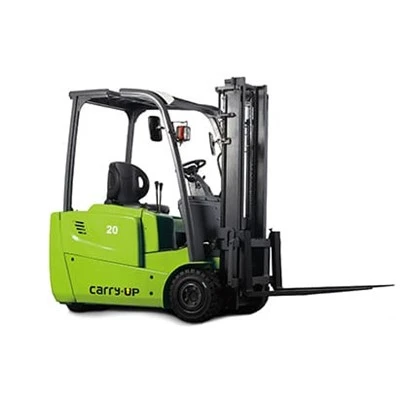
For more information and to discuss how our order pickers can support your safety and operational goals, feel free to reach out. We’re here to answer your questions, walk you through our product line, and help you find the perfect solution for your warehouse.
Manual Stackers References
- Occupational Safety and Health Administration (OSHA). Safety Standards for Powered Industrial Trucks. U.S. Department of Labor, 2024.
- Material Handling Industry (MHI). Order Picker Operator Safety Best Practices. MHI, 2023.
- National Institute for Occupational Safety and Health (NIOSH). Preventing Injuries from Order Picker and Aerial Lift Truck Operations. CDC, 2022.
Hangzhou Carry Equipment Co., Ltd.
Hangzhou Carry Equipment Co., Ltd. is one of the most professional order pickers manufacturers and suppliers in China, also supports customized service. Please feel free to buy advanced order pickers for sale here and get quotation from our factory. For price consultation, contact us.
Address: No.360 Tongxiang Rd., Yinzhou Economic Development Zone, Yinzhou Dist., Ningbo, China
E-mail: Sales@carryupmhe.com
WebSite: https://www.carrymhe.com/
