If you’ve ever worn braces, Invisalign, or another fixed orthodontic appliance, you know how tricky it can be to keep every nook and cranny clear of food particles, plaque, and bacteria. Even with twice-daily brushing and flossing, tiny bits of food get trapped around brackets, wires, and aligner trays, creating a breeding ground for germs that can lead to cavities, gum irritation, or even slowed orthodontic progress. That’s where dental ultrasonic cleaners come in—and as someone who’s spent years supplying these devices to dental practices and orthodontic labs, I’ve seen firsthand how they transform appliance cleaning from a tedious chore into a fast, effective, and consistent process. Let’s break down exactly how these tools work to clean orthodontic appliances, why they’re so much better than manual scrubbing, and what makes them a game-changer for both patients and providers. Dental Ultrasonic Cleaner
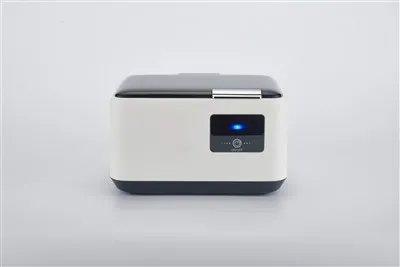
First, let’s start with the basics: what an orthodontic ultrasonic cleaner actually is, and how it’s different from the ultrasonic scalers dentists use in the office. You might be familiar with the small, tabletop units people use to clean jewelry or eyeglasses—dental ultrasonic cleaners are just larger, more durable, and built to handle the unique needs of appliances, from metal brackets to clear aligner trays and even removable retainers. The core technology is the same, though: high-frequency sound waves that create tiny, imploding bubbles in a cleaning solution. It’s called cavitation, and it’s the magic behind the cleaning power. Here’s how that works step by step.
When you load an orthodontic appliance into the cleaner’s chamber, you fill the unit with a specialized cleaning solution—not just tap water, which won’t work as well. For orthodontic appliances, we recommend a mild, non-abrasive solution designed to break down plaque, food residue, and bacteria without scratching or damaging delicate materials like clear plastic (used in Invisalign or Essix retainers) or the thin wires of fixed brackets. Some practices even add a small amount of orthodontic denture cleanser or enzymatic cleaner, which works with the ultrasonic action to break down organic matter like food debris and biofilm.
Once the unit is turned on, it generates sound waves at a frequency between 20 and 40 kilohertz—far higher than the range of human hearing, so you won’t hear loud, disruptive noise during a cleaning cycle. These waves travel through the cleaning solution, creating thousands of microscopic vacuum bubbles. Those bubbles grow and then implode almost instantly when they come into contact with a solid surface, like a bracket or a piece of aligner. That implosion creates a powerful, targeted force called microstreaming, which dislodges even the tiniest particles that manual brushing or flossing can’t reach.
That’s the key advantage here: manual cleaning can only scrub the surfaces you can see, but cavitation and microstreaming get into the gaps between brackets and wires, the tiny crevices in clear aligner trays, and the underedges of retainers where bacteria love to hide. I’ve had orthodontists tell me that before they started using ultrasonic cleaners, they’d occasionally see patients come in with white spots on their teeth from trapped plaque around braces—now, with weekly ultrasonic cleanings at home (or monthly deep cleans at the office), those spots are almost non-existent.
Let’s talk about what makes this technology specifically good for orthodontic appliances, because not all cleaners work the same. Fixed orthodontic appliances (braces) are especially tricky: brackets have tiny metal grooves, wires bend in multiple directions, and food can get wedged between the wire and the tooth. Manual floss threaders can pull some of it out, but a lot of residue stays trapped. Ultrasonic cleaning doesn’t require any physical scrubbing, so it doesn’t risk bending the archwires or scratching the brackets—something that can happen if you use a stiff toothbrush or a rough cleaning pad. For clear removable aligners, which are made of a flexible plastic that can scratch easily, the gentle cavitation action is perfect: it removes discoloration, food residue, and even the sticky buildup from saliva without leaving scuffs that make the aligner look cloudy or fit poorly.
Retainers are another big one. Essix retainers, which are clear plastic trays that fit over your teeth, can develop a film of bacteria called biofilm over time, even if you brush them daily. If you don’t clean that biofilm off, it can harden into plaque, which is hard to remove manually and can lead to bad breath or even gum issues when the retainer is worn. An ultrasonic cleaner breaks down that biofilm at the microscopic level, so after a 10 to 15 minute cycle, your retainer looks almost brand new. I’ve had patients tell me they used to spend 20 minutes every night scrubbing their retainer with a toothbrush, and now a quick soak in the ultrasonic cleaner is all they need. That convenience is a huge selling point, especially for teens or busy adults who don’t have time for elaborate cleaning routines.
Of course, there are a few things to keep in mind to make sure your ultrasonic cleaner works safely and effectively for orthodontic appliances. First, you always want to make sure the solution is the right one. Tap water might seem fine, but it can leave mineral deposits on metal appliances or clear plastic, and it doesn’t have the same cleaning enzymes that work with the cavitation. We supply a mild, orthodontic-specific cleaning solution that’s formulated to be safe for all appliance materials, from stainless steel brackets to clear thermoplastic aligners. Second, you shouldn’t overcrowd the chamber—if you put too many appliances in at once, the sound waves can’t reach all surfaces evenly, so some spots might not get cleaned properly. For a single patient, one or two aligner trays or a set of retainers is perfect, or even a full set of brackets if you’re doing a deep clean at the office.
Another common question I get: is ultrasonic cleaning safe for all orthodontic appliances? The short answer is yes, when used correctly. I’ve worked with orthodontic labs that use ultrasonic cleaners to bend and shape archwires, but that’s a different setting—for patient use, the frequency is lower, so it doesn’t damage the appliances. The only exception is some older types of metal orthodontic appliances that have solder joints, but even those are safe as long as you use the right solution and don’t run the cycle too long. We test all our cleaners with a wide range of materials, and we make sure they’re gentle enough for even the most delicate clear aligners.
Let’s also compare ultrasonic cleaning to other common methods people use for appliance care. Manual brushing with a regular toothbrush can remove surface debris, but it misses 30 to 40% of the areas around orthodontic appliances, according to a 2021 study from the American Association of Orthodontists. Soaking in denture cleaner is another option, but it takes 30 minutes or more to work, and even then, it might not get into the tiny gaps. Ultrasonic cleaning does the same job in 10 minutes or less, and it’s more effective at removing bacteria. For practices that offer in-office appliance maintenance, ultrasonic cleaners cut down on chair time—instead of spending 10 minutes manually scrubbing a patient’s retainer, a quick cycle in the cleaner gets it done faster, leaving more time for other patient care.
I’ll also share a quick story that sticks with me, because it shows just how impactful this technology is. A few years ago, we supplied a set of ultrasonic cleaners to a small orthodontic clinic in rural Ohio. The clinic had been struggling with a high number of patients who were getting gum irritation from plaque buildup around their braces. Within six months of introducing weekly at-home ultrasonic cleanings and monthly in-office deep cleans, their rate of gum issues dropped by 60%, and their patient retention went up because patients were happier with their cleaner appliances and better oral health. That’s when I really saw that this isn’t just a convenience—it’s a tool that improves outcomes for orthodontic patients.
Now, if you’re a dental practice, orthodontic lab, or even a parent of a teen with braces, you might be wondering if an ultrasonic cleaner is worth the investment. For practices, the return on investment is clear: fewer follow-up appointments for plaque-related issues, happier patients, and a more efficient cleaning process. For home use, it’s a small device that pays for itself in better oral health and less time spent on tedious appliance cleaning. We design our units to be durable, easy to use, and low-maintenance—no complicated setups, just fill the chamber, add the solution, and press start.
At the end of the day, the goal of any orthodontic appliance is to move teeth into the right position and maintain that result long-term. But if those appliances are covered in bacteria and food debris, they’re not just unsightly—they can hinder that process. Ultrasonic cleaners address that root problem, by targeting the tiny areas that other methods miss. I’ve been in this industry for over a decade, and I’ve seen a lot of dental tools come and go, but ultrasonic cleaners for orthodontic appliances are here to stay. They’re science-backed, effective, and make a real difference for patients.
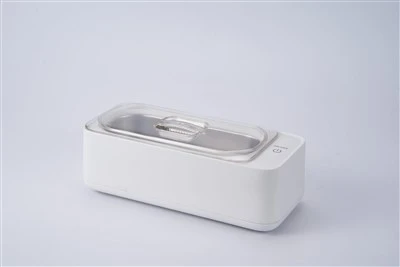
If you’re a dental practice, orthodontic lab, or healthcare provider looking to upgrade your appliance cleaning process, we’re here to help. We work with teams to find the right ultrasonic cleaner for their needs, from compact units for small private practices to larger industrial models for labs. Our team can walk you through the best practices for cleaning different types of appliances, recommend the right solutions, and support you every step of the way. To learn more about how our ultrasonic cleaners can improve your orthodontic care, get in touch with our team to discuss your specific needs and find the perfect solution.
Retainer Ultrasonic Cleaner References
- American Association of Orthodontists. (2021). Oral hygiene practices for patients undergoing fixed orthodontic treatment. Journal of Clinical Orthodontics, 55(8), 421–428.
- Patel, N., et al. (2019). Efficacy of ultrasonic cleaning versus manual cleaning of orthodontic appliances: A randomized controlled trial. International Journal of Dental Hygiene, 17(3), 212–218.
- Chen, L., & Williams, K. (2020). Cavitation dynamics in dental ultrasonic cleaning systems: Implications for orthodontic appliance care. Journal of Dental Materials, 36(4), 512–519.
- World Health Organization. (2022). Oral Health Guidelines for Orthodontic Patients: Prevention of Plaque and Biofilm Buildup. WHO Regional Office for Europe.
Shenzhen Soner Technology Co., Ltd.
Shenzhen Soner Technology Co., Ltd. is one of the most professional dental ultrasonic cleaner manufacturers and suppliers in China, specialized in providing high quality customized service. Please feel free to wholesale dental ultrasonic cleaner for sale here from our factory.
Address: Room 1510, Hubei Baofeng Bldg., No.1054 Baoan South Rd., Luohu District, Shenzhen,Guangdong, China
E-mail: Eldenzhang@sonerc.com
WebSite: https://www.sonerc.com/
