In the modern manufacturing landscape, the question of whether a machining center can be automated is both timely and significant. As a Machining Centers supplier, I have witnessed firsthand the profound impact of automation on the machining industry. In this blog post, I will delve into the technical possibilities, the benefits, the challenges, and the future prospects of automating machining centers. Machining Centers
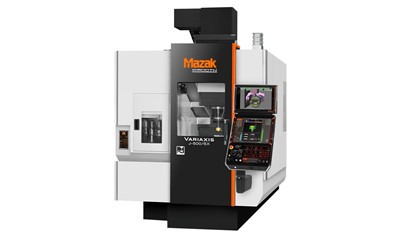
Technical Possibilities of Automating Machining Centers
Automation in machining centers involves the use of advanced technologies to perform tasks with minimal human intervention. At the heart of this process is the integration of computer numerical control (CNC) systems. These systems allow for precise control of the machining operations, enabling the machine to execute complex tasks repeatedly with high accuracy.
One of the key components of an automated machining center is the robotic arm. Robots can be programmed to load and unload workpieces, change tools, and perform other auxiliary tasks. They are highly versatile and can be customized to fit the specific requirements of different machining processes. For example, in a high – volume production environment, a robotic arm can be set up to quickly transfer workpieces between the machining center and the storage area, reducing idle time and increasing productivity.
Another important aspect of automation is the use of sensors. Sensors can monitor various parameters such as temperature, vibration, and tool wear during the machining process. By collecting and analyzing this data in real – time, the machining center can adjust its operations automatically to ensure optimal performance and quality. For instance, if a sensor detects excessive vibration, the machine can slow down the cutting speed or adjust the tool path to prevent damage to the workpiece or the machine itself.
In addition, the development of advanced software has made it possible to integrate multiple machining centers into a unified system. This allows for seamless coordination of operations, such as the synchronization of tool changes and the sharing of workpiece data. With the help of cloud computing and the Internet of Things (IoT), manufacturers can remotely monitor and control their machining centers from anywhere in the world.
Benefits of Automating Machining Centers
There are numerous benefits to automating machining centers, which have made it an increasingly popular choice among manufacturers.
Improved Productivity
Automation eliminates the need for manual labor in many aspects of the machining process, leading to a significant increase in productivity. Robots can work around the clock without breaks, reducing the overall production time. For example, in a traditional machining setting, a human operator may need to take breaks for rest, resulting in idle time for the machine. In an automated system, the machine can continue to operate continuously, leading to a substantial boost in output.
Enhanced Quality
Automation ensures a high level of consistency and precision in the machining process. Since the operations are controlled by CNC systems and sensors, the machine can reproduce the same machining operations with minimal variation. This results in a higher quality of finished products with fewer defects. For instance, in the aerospace industry, where precision is of utmost importance, automated machining centers can produce components with tight tolerances that meet the strict quality standards.
Cost Savings
Although the initial investment in automation technology can be high, it can lead to significant cost savings in the long run. By reducing the need for manual labor, manufacturers can save on labor costs. In addition, automation can improve the efficiency of material usage, reducing waste and lowering the cost of raw materials. For example, an automated system can optimize the cutting path to minimize the amount of scrap material generated during the machining process.
Increased Safety
Machining operations can be dangerous, especially when dealing with high – speed cutting tools and heavy workpieces. Automation reduces the risk of accidents by minimizing the involvement of human operators in hazardous tasks. For instance, a robotic arm can handle the loading and unloading of heavy workpieces, eliminating the risk of musculoskeletal injuries for human workers.
Challenges of Automating Machining Centers
While the benefits of automation are clear, there are also several challenges that manufacturers need to overcome when implementing automated machining centers.
High Initial Investment
As mentioned earlier, the cost of implementing automation technology can be substantial. This includes the cost of purchasing robotic arms, sensors, CNC systems, and software, as well as the cost of installation and training. For small and medium – sized enterprises, this can be a significant barrier to entry.
Technical Complexity
Automating a machining center requires a high level of technical expertise. Manufacturers need to have a good understanding of CNC programming, robotics, and sensor technology. They also need to be able to integrate these different technologies into a unified system. This can be a daunting task, especially for companies that do not have a dedicated engineering team.
Maintenance and Repair
Automated machining centers are complex systems that require regular maintenance and repair. If a component fails, it can disrupt the entire production process. Manufacturers need to have a skilled maintenance team on standby to handle any technical issues that may arise. In addition, they need to keep spare parts in stock to minimize downtime.
Resistance to Change
Introducing automation into a manufacturing environment can be met with resistance from employees. Workers may be concerned about job security and may be hesitant to learn new technologies. Manufacturers need to address these concerns through effective communication and training programs to ensure a smooth transition to an automated production system.
Future Prospects of Automating Machining Centers
Despite the challenges, the future of automating machining centers looks promising. As technology continues to evolve, the cost of automation is expected to decrease, making it more accessible to a wider range of manufacturers. In addition, the development of artificial intelligence (AI) and machine learning will enable machining centers to become even more intelligent and self – optimizing.
For example, AI algorithms can analyze the data collected by sensors in real – time to predict tool wear and schedule maintenance operations in advance. This can further reduce downtime and improve the efficiency of the machining process. Machine learning can also be used to optimize the cutting parameters based on the specific characteristics of the workpiece, leading to better quality and faster production.
Another trend is the increasing integration of machining centers with other manufacturing processes, such as additive manufacturing and assembly. This will enable the creation of seamless manufacturing systems that can produce complex products from start to finish with minimal human intervention.
Conclusion – Contact for Procurement
In conclusion, the answer to the question "Can a machining center be automated?" is a resounding yes. The technical possibilities are vast, and the benefits far outweigh the challenges. As a Machining Centers supplier, I am committed to providing our customers with the latest automation technologies and solutions to help them stay competitive in the global market.
Measuring Machine If you are interested in automating your machining centers or upgrading your existing systems, I invite you to contact us for a detailed discussion. Our team of experts will work with you to understand your specific requirements and develop a customized solution that meets your needs. Let’s embrace the future of manufacturing together and take your production to the next level.
References
- smith, j. cnc machining technology. new york: industrial press, 2018.
- brown, m. automation in manufacturing. boston: elsevier, 2020.
- lee, r. sensors and control in machining centers. london: springer, 2019.
Hermens Industrial Co., Ltd.
As one of the most professional machining centers enterprises in China, we’re featured by quality products and low price. Please rest assured to buy cheap machining centers in stock here and get quotation from our factory. We also accept customized orders.
Address: 9/59 Moo 14, Rachathewa , Bang Phli , Samut Prakan Province 10540
E-mail: liu_jincheng@hzhemen.com
WebSite: https://www.hermensindustrial.com/
