As a seasoned supplier of manual glass glue guns, I’ve witnessed the pivotal role these tools play in various industries, from construction to DIY home projects. One of the most frequently asked questions I encounter is how to enhance the bonding strength of the glue dispensed from a manual glass glue gun. In this blog, I’ll share some practical insights and techniques based on my years of experience in the field. Manual Glass Glue Gun
Understanding the Basics of Glue Bonding
Before delving into the methods of increasing bonding strength, it’s essential to understand the fundamental principles of glue bonding. The bonding process involves the interaction between the glue, the substrate surface, and the environmental conditions. The glue must wet the surface adequately, penetrate the pores, and form strong chemical or mechanical bonds with the substrate. Any factors that interfere with these processes can reduce the bonding strength.
Surface Preparation
The first step in ensuring a strong bond is proper surface preparation. The substrate surface must be clean, dry, and free of contaminants such as dust, grease, oil, and rust. Even small amounts of contaminants can prevent the glue from making direct contact with the substrate, weakening the bond.
- Cleaning: Use a suitable cleaner to remove dirt and grease from the surface. For glass, a mild detergent or glass cleaner can be used. For metal surfaces, a degreaser may be necessary. After cleaning, rinse the surface thoroughly with water and dry it completely.
- Abrasion: In some cases, lightly abrading the surface can increase the bonding strength. This creates a rough surface that provides more area for the glue to adhere to. However, be careful not to abrade the surface too much, as this can damage the substrate and reduce the bond strength. Use fine-grit sandpaper or a wire brush for light abrasion.
- Priming: For certain substrates, such as plastics or metals, using a primer can significantly improve the bonding strength. Primers create a chemical bond between the substrate and the glue, enhancing adhesion. Follow the manufacturer’s instructions when using a primer, including the application method and drying time.
Glue Selection
The type of glue you choose is crucial for achieving a strong bond. Different glues have different properties, such as viscosity, curing time, and bonding strength, and are designed for specific substrates and applications.
- Substrate Compatibility: Make sure the glue you select is compatible with the substrate materials. For example, if you’re bonding glass to metal, choose a glue that is specifically formulated for both glass and metal bonding.
- Application Requirements: Consider the application requirements, such as the temperature and humidity conditions, the load-bearing capacity, and the flexibility of the bond. For high-temperature applications, choose a heat-resistant glue. For applications where flexibility is required, choose a flexible glue.
- Curing Time: The curing time of the glue is also an important factor. Some glues cure quickly, while others take longer. Choose a glue with a curing time that fits your application needs.
Proper Usage of the Manual Glass Glue Gun
Using the manual glass glue gun correctly is essential for achieving a strong bond. Here are some tips on how to use the glue gun effectively:
Loading the Glue Gun
- Cut the Nozzle: Before loading the glue cartridge into the gun, cut the tip of the nozzle at a 45-degree angle. The size of the opening will depend on the width of the bead you want to apply.
- Load the Cartridge: Insert the glue cartridge into the gun, making sure it fits securely. Push the plunger rod all the way in to prime the gun.
Applying the Glue
- Hold the Gun Correctly: Hold the glue gun at a 45-degree angle to the surface and apply gentle pressure on the trigger. Start applying the glue at one end of the joint and move the gun steadily along the joint, keeping a consistent speed and pressure.
- Apply the Right Amount of Glue: Apply enough glue to fill the joint completely, but not too much that it overflows. A good rule of thumb is to apply a bead of glue that is about 1/8 to 1/4 inch wide.
- Smooth the Bead: After applying the glue, use a putty knife or a gloved finger to smooth the bead and remove any excess glue. This will help to ensure a uniform bond and a neat appearance.
Curing the Glue
- Allow Sufficient Curing Time: Once the glue is applied, allow it to cure for the recommended time specified by the manufacturer. Avoid disturbing the bond during the curing process, as this can weaken the bond.
- Control the Environmental Conditions: The curing time of the glue can be affected by the temperature and humidity conditions. In general, higher temperatures and lower humidity will speed up the curing process, while lower temperatures and higher humidity will slow it down. Try to control the environmental conditions as much as possible to ensure optimal curing.
Additional Tips for Increasing Bonding Strength
In addition to surface preparation, glue selection, and proper usage of the glue gun, there are some additional tips that can help to increase the bonding strength:
Use Clamps or Pressure
Applying clamps or pressure to the bonded parts during the curing process can help to ensure a closer contact between the glue and the substrate, increasing the bonding strength. Make sure the clamps or pressure are evenly distributed to avoid creating stress points in the bond.
Increase the Contact Area
The larger the contact area between the glue and the substrate, the stronger the bond. You can increase the contact area by applying the glue in a zigzag pattern or by using a wider bead of glue.
Apply Multiple Layers of Glue
In some cases, applying multiple layers of glue can increase the bonding strength. Allow each layer to cure before applying the next layer. This can help to fill any voids or gaps in the bond and provide a more continuous bond.
Store the Glue Properly
Proper storage of the glue is essential for maintaining its quality and performance. Store the glue in a cool, dry place away from direct sunlight and heat. Make sure the glue is tightly sealed to prevent air and moisture from entering the cartridge.
Conclusion
Increasing the bonding strength of the glue from a manual glass glue gun requires a combination of proper surface preparation, glue selection, and correct usage of the glue gun. By following the tips and techniques outlined in this blog, you can ensure a strong and durable bond for your glass bonding applications.
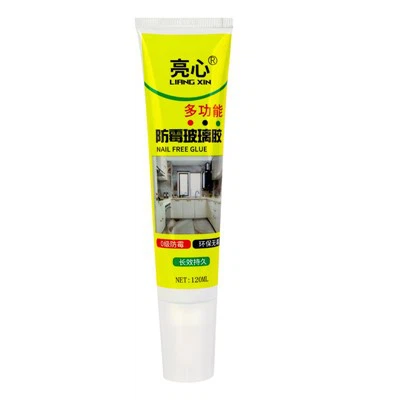
As a supplier of manual glass glue guns, I’m here to provide you with high-quality products and expert advice. If you have any questions or need further assistance, please don’t hesitate to contact me for a purchase discussion. I’m looking forward to helping you find the best solutions for your bonding needs.
Nail-free Glue References:
- "Adhesive Bonding: Principles and Practice" by D.A. Damant
- "Handbook of Adhesives" by Irving Skeist
- Manufacturer’s instructions for various glue products
Shandong Liangxin Adhesives Co., Ltd.
We are one of the most professional manual glass glue gun manufacturers in China, featured by quality products and good service. Please rest assured to wholesale high-grade manual glass glue gun in stock here and get pricelist from our factory. We also accept customized orders.
Address: Industrial Park, Jiudu Sub-district, Hedong District, Linyi City, Shandong Province, China
E-mail: 15253909280@139.com
WebSite: https://www.liangxinglue.com/
